


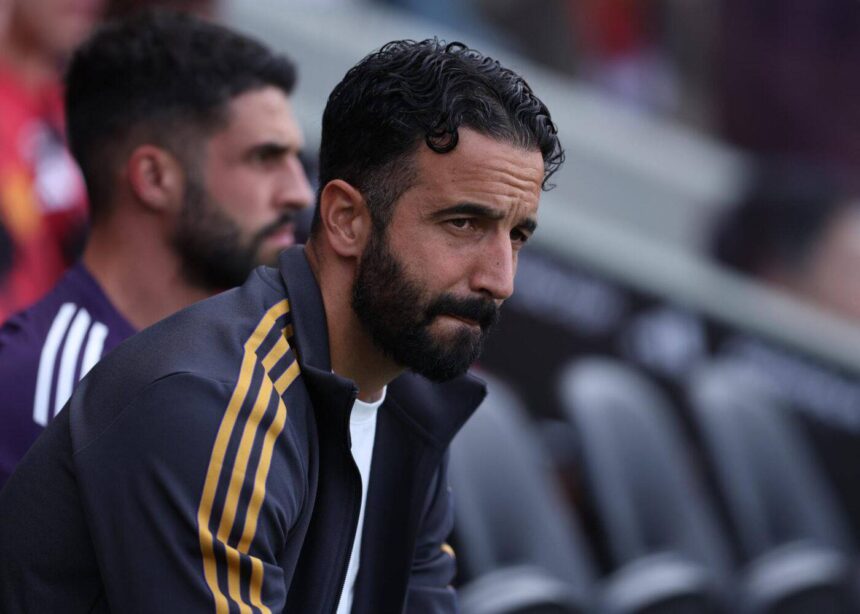
Manchester United have dismissed head coach Ruben Amorim following a breakdown in relations with the club’s hierarchy, just months after the Portuguese tactician took charge at Old Trafford.
The 40-year-old was relieved of his duties after publicly criticising the United board over what he described as a lack of authority and backing, particularly in relation to tactical control and transfer decisions. Amorim, whose official title was head coach rather than manager, argued that he had been restricted to overseeing training sessions and matchday preparations, without sufficient influence to reshape the squad to suit his preferred style of play.
Over the weekend, Amorim openly questioned the club’s structure, suggesting he had not been given the freedom required to rebuild the team. The remarks were widely interpreted as an ultimatum to the board to either fully back him or remove him from the role.
Despite those comments, sources close to the club insist the decision to part ways was not driven by a power struggle or ultimatum. Instead, Manchester United’s leadership is said to have been unconvinced by the team’s progress on the pitch, believing there were insufficient signs of tactical evolution and long-term development under Amorim.
Amorim departs after winning 24 of his 63 matches in charge. While United currently sit sixth in the Premier League, club officials believe the squad is strong enough to finish higher and that a change in leadership offers a better chance of achieving a top-six — or better — finish by the end of the season.
In a brief statement, the club said it had “reluctantly made the decision that now is the right time to make a change” in order to give the team “the best opportunity of the highest possible Premier League finish.” United thanked Amorim for his contribution and wished him well in his future career.
Former midfielder and current Under-18s coach Darren Fletcher has been appointed interim head coach and will take charge of the first team for their midweek Premier League clash against Burnley.
Amorim’s departure adds to the growing sense of instability at Old Trafford, where questions continue to be raised about the club’s footballing structure, recruitment strategy and the balance of power between coaches and the board.