

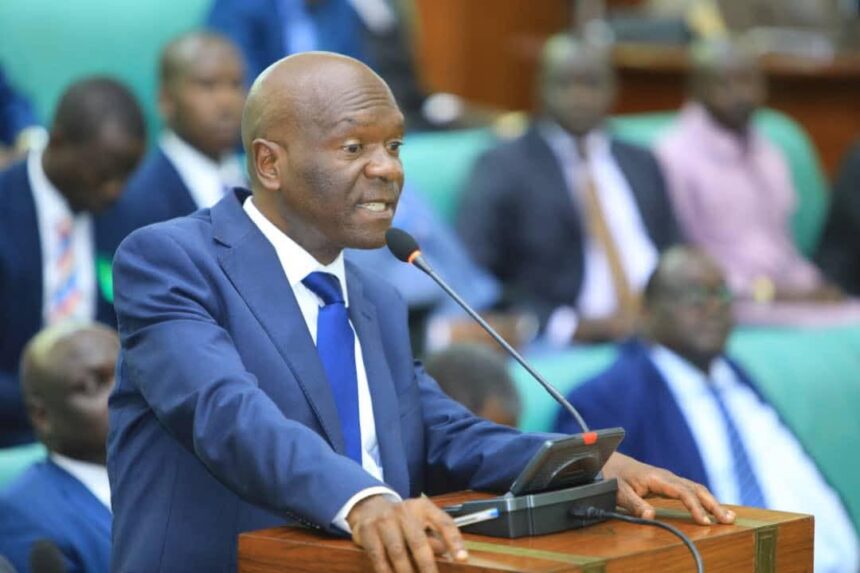
Outgoing Mawokota South Member of Parliament Yusuf Nsibambi has revealed that the recent meeting between President Yoweri Kaguta Museveni and a group of opposition figures at State House was the outcome of a coordinated and structured dialogue process, facilitated by the Inter-Religious Council of Uganda (IRCU).
Speaking in an interview, Nsibambi dismissed suggestions that the engagement was abrupt or informal, stating that consultations had begun even before the January 15 general elections. According to him, religious leaders under IRCU initiated a series of meetings aimed at easing political tensions and encouraging post-election dialogue.
He disclosed that a key preparatory meeting took place on January 7, bringing together opposition representatives and members of the religious community to explore the possibility of structured engagement with the President.
“That meeting was not accidental. It was coordinated by the Inter-Religious Council of Uganda. The process started before the elections, and on January 7 there was a meeting that involved religious leaders and opposition representatives,” Nsibambi said.
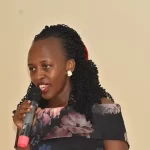
Nsibambi further claimed that the National Unity Platform (NUP) was represented at the January 7 meeting by its Deputy President for the Northern Region, Dr. Lina Zedriga, along with three party lawyers. He said their participation formed part of the broader consultation that later led to the State House meeting.
“They cannot deny knowledge of the meeting. The NUP was represented. That process is what led to our engagement with President Museveni,” he stated.
According to Nsibambi, the dialogue was aimed at opening channels of communication between the ruling government and opposition actors following the highly contested general elections. He said the President expressed willingness to engage opponents in discussions about national issues and post-election concerns.
He also revealed that one of the outcomes of the engagement was a commitment by President Museveni to release a number of political detainees. Nsibambi indicated that a list of 10 individuals had been agreed upon for release as part of confidence-building measures intended to foster reconciliation.
“The President agreed to dialogue and to release political prisoners. There is a list of 10 detainees set for release,” Nsibambi said, without providing further details about the identities of those on the list or timelines for their release.
The disclosure comes at a time when sections of the opposition have remained critical of engagements with the ruling establishment, arguing that broader electoral concerns and alleged irregularities must first be addressed. Nsibambi, however, defended the dialogue process, suggesting that engagement does not equate to surrender but rather provides an avenue to address grievances through peaceful means.
By press time, the National Unity Platform had not issued an official statement responding to Nsibambi’s claims regarding its alleged involvement in the January 7 consultations. The absence of a response leaves uncertainty about the party’s position on the reported dialogue and the extent of its participation.
The development highlights ongoing efforts by religious leaders and political actors to encourage dialogue in the aftermath of the elections, as well as the complex dynamics within the opposition regarding engagement with President Museveni and the ruling National Resistance Movement.