

Paul Kagame has strongly dismissed long-standing allegations that Rwanda benefited from instability in eastern Democratic Republic of the Congo (DRC) through illicit mineral extraction, arguing that such claims do not reflect economic reality.
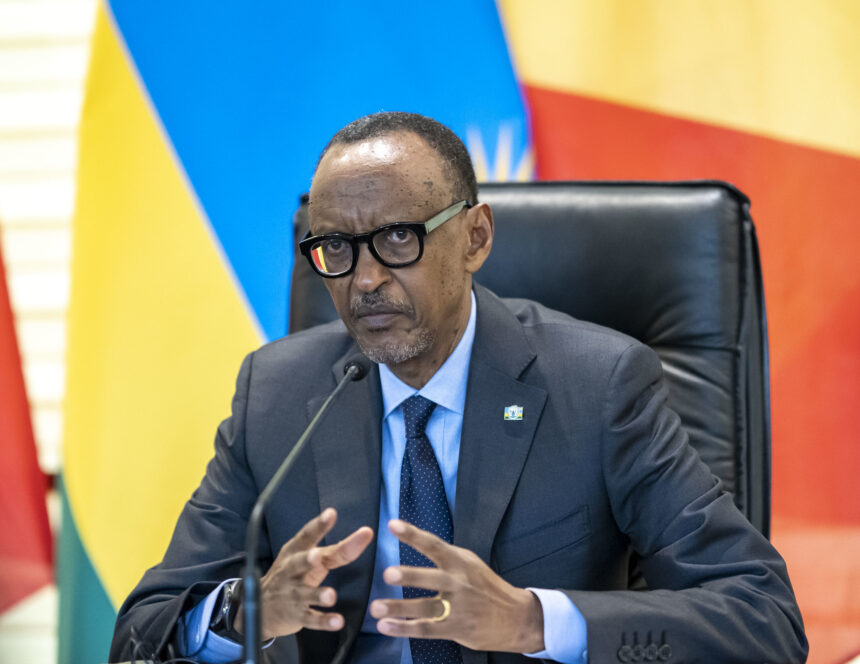
Speaking in Kigali during the 20th annual Umushyikirano—Rwanda’s national constitutional dialogue that brings together citizens and leaders for open discussion—Kagame said assertions that Rwanda exploited Congolese minerals were unfounded.
“If we were really in the Congo for minerals, Rwanda would be a hundred times richer than it is,” he said, responding to a question about Rwanda’s alleged involvement in eastern Congo.
For years, Rwanda has faced accusations from sections of the international community and Congolese officials that it has played a role in unrest in eastern DRC, partly to gain access to the mineral-rich region. Kigali has consistently denied the claims, insisting that its primary concern has been national security, particularly threats from armed groups operating near its border.
Kagame argued that the Democratic Republic of the Congo has internal governance and security challenges that it has failed to resolve, choosing instead to externalize blame. “DRC created its own problems, but instead of dealing with them, they blame Rwanda,” he said.
The remarks come months after diplomatic efforts sought to ease tensions between the two neighbors. In December last year, the United States Department of State brokered a peace agreement between Rwanda and the Democratic Republic of the Congo known as the Washington Accords for Peace and Prosperity. The deal aimed to reduce hostilities, address cross-border security concerns and promote economic cooperation.
Eastern DRC has long been plagued by armed conflict involving multiple militias and foreign-backed groups, in a region rich in minerals such as coltan, gold and tin. The instability has fueled humanitarian crises and strained relations between Kinshasa and Kigali.
Kagame’s latest comments reaffirm Rwanda’s longstanding position that it does not seek economic gain from Congolese territory and that sustainable peace depends on addressing the root causes of insecurity within the DRC itself. Whether the Washington-brokered framework will deliver lasting stability remains uncertain, but Kagame’s remarks signal that tensions over narrative and responsibility remain firmly in place.