



Lawmakers on the Public Accounts Committee (Central Government) have raised concerns over the prolonged use of acting appointments in senior positions within the Ministry of Finance, Planning and Economic Development.
The ministry delegation, led by Deputy Secretary to the Treasury Patrick Ocailap, appeared before the committee to respond to queries raised in the final audit report for the Financial Year 2024/2025.
During the session, committee members questioned why several officials continue to serve in acting capacities beyond the legally permitted six months. MPs warned that the practice undermines accountability, weakens institutional stability, and compromises effective management across government departments.
Among those who voiced concern were Asuman Basalirwa, Gorreth Namugga, and Sarah Opendi. They argued that prolonged acting roles contribute to staffing gaps, delay decision-making, and create uncertainty within ministries and agencies.
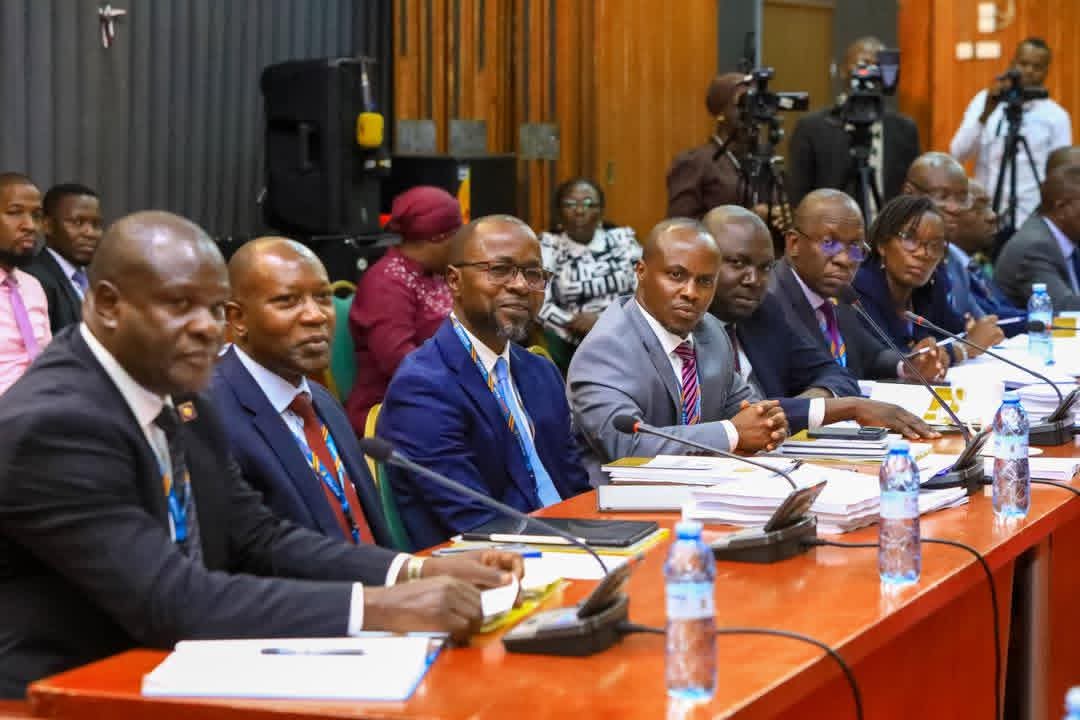

The legislators further noted that officers serving in acting capacity may lack the full authority or confidence to implement long-term policies, potentially affecting service delivery and institutional performance.
In his response, Ocailap attributed the delays in confirming substantive appointments to an earlier Cabinet decision that proposed scrapping director positions across ministries, as well as an ongoing government restructuring process. He indicated that the review of structures had slowed down confirmations and recruitment in certain departments.
However, committee members maintained that administrative restructuring should not justify extended non-compliance with existing public service regulations.
The committee has now directed the ministry — and all future government entities appearing before it — to submit comprehensive lists of officers currently serving in acting capacity. Lawmakers say this move is part of intensified parliamentary oversight aimed at strengthening staffing accountability and ensuring compliance with public service guidelines.
The developments signal renewed scrutiny by Parliament over human resource management practices within public institutions, as legislators push for improved governance and adherence to established regulations.