


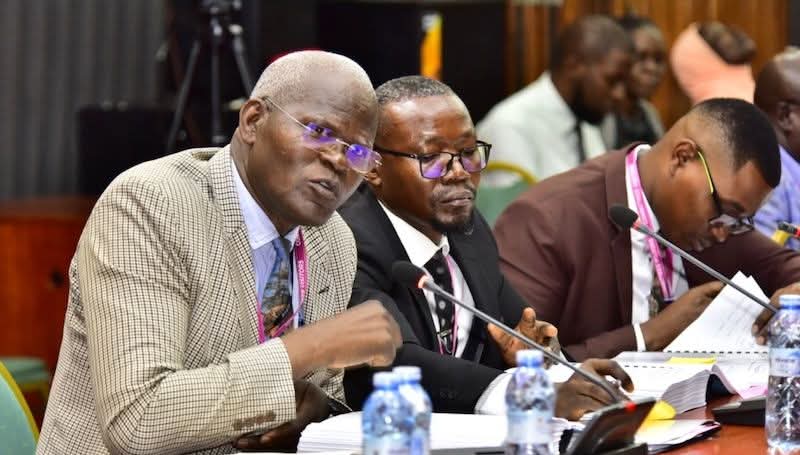
The Office of the Director of Public Prosecutions and the Uganda Police Force have raised concerns over the proposed Forensic and Scientific Analytical Services Bill, 2025, warning that it could trigger institutional conflicts and disrupt the criminal justice process.
The Bill, tabled in the Parliament of Uganda by the Ministry of Internal Affairs, seeks to strengthen the legal use of forensic evidence by regulating laboratories and establishing modern databases for DNA, toxicology, ballistics and cyber forensics. It also proposes designating the Government Analytical Laboratory (GAL) as the national referral centre.
While proponents argue the law would improve investigations, reduce wrongful arrests and speed up prosecutions, both the ODPP and police say some provisions risk duplicating existing legal frameworks and creating power struggles among institutions.
In submissions to the Office of the Attorney General, officials warned that the Bill could undermine the constitutional mandate of the police to prevent and detect crime. They also questioned the creation of a new Department of Inspection and Legal Services under the Ministry of Internal Affairs, arguing it could introduce unnecessary bureaucracy and slow down investigations.
Police Director of Forensic Services Andrew Mubiru emphasized the need for a harmonized approach, cautioning that overlapping mandates could cripple the work of key justice institutions.
The ODPP further argued that Uganda already has a functional legal framework governing forensic work through laws such as the Police Act and the Identification of Offenders Act, and warned against centralizing services under one institution. It noted that several agencies—including the Uganda National Bureau of Standards, National Drug Authority, and National Agricultural Research Organisation—already operate specialized laboratories.
Another concern relates to the legal status of past forensic reports issued by GAL. Prosecutors warn that redefining the laboratory’s role under the new law could create ambiguity and expose earlier reports to legal challenges in court.
In response, Attorney General Kiryowa Kiwanuka advised that all reports issued before the law comes into force should remain valid and admissible, in a move aimed at safeguarding ongoing and concluded cases.
As debate continues, stakeholders are calling for wider consultations to ensure the proposed law strengthens rather than complicates Uganda’s criminal justice system.