

Members of Parliament have cautioned the Office of the Prime Minister (OPM) against plans to host an additional 27,000 refugees in the 2026/2027 financial year, raising concerns over the country’s current capacity to adequately support those already in settlements.
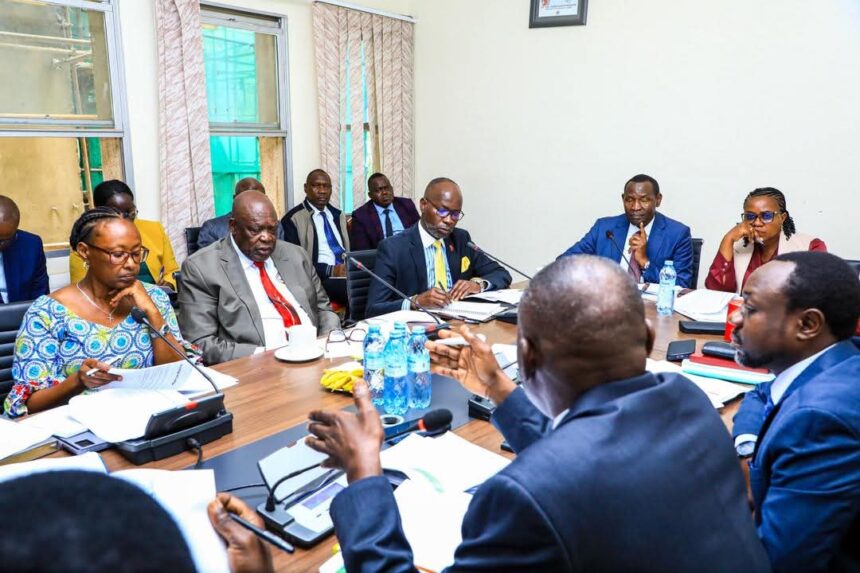
The concerns emerged during a meeting of the Parliamentary Committee on Presidential Affairs, where Assistant Commissioner in the OPM, Apollo Kivumbi, informed legislators that the new arrivals would be accommodated under the second phase of the Development Response to Displacement Impacts Project (DRDIP). The project, valued at approximately US$328 million and largely funded by the United Nations High Commission for Refugees (UNHCR), is aimed at improving socio-economic services, infrastructure, and economic opportunities in refugee-hosting districts.
Kivumbi told the committee that the project had already been declared effective and implementation had commenced, with funds expected to benefit both refugees and host communities through enhanced service delivery and development interventions.
However, lawmakers expressed reservations about expanding refugee intake at a time when existing populations are struggling with limited resources. Hon. James Mamawi, the Independent Member of Parliament for Adjumani East County, argued that government should prioritize improving the livelihoods of refugees already in the country rather than increasing numbers.
He pointed to the current welfare challenges, noting that refugees receive as little as Shs10,000 monthly for feeding, which he said highlights the strain on available resources.
“The allocation of resources to refugee-hosting districts is questionable. Adjumani hosts the majority of these refugees and yet we receive the least funding. What criteria is used to allocate these resources?” Mamawi asked.
Uganda is currently hosting over two million refugees, making it one of the largest refugee-hosting countries in the world. Many of the refugees have fled ongoing conflicts and instability in neighboring countries such as the Democratic Republic of Congo and South Sudan.
The debate underscores the growing pressure on Uganda’s refugee management system, as lawmakers call for a balance between humanitarian commitments and the sustainability of support systems for both refugees and host communities.