

The Minister of State for Sports, Peter Ogwang, has assured Parliament that Uganda remains on track to co-host the 2027 Africa Cup of Nations, citing coordinated government efforts and secured funding to support preparations.
Uganda will jointly host the tournament alongside Kenya and Tanzania under the “Pamoja East Africa” arrangement, a regional framework guiding infrastructure and logistics planning ahead of the continental showpiece organized by the Confederation of African Football.
While presenting a statement to Parliament, Ogwang revealed that government has established an inter-sectoral committee working alongside the Local Organising Committee to streamline preparations across ministries and agencies.
He noted that consultations on hotel standards have already been completed, with further engagements involving hotel owners, the Uganda Development Bank, and special purpose vehicle (SPV) arrangements expected to progress by April 23, 2026.
Government has earmarked significant funding for infrastructure upgrades, including:
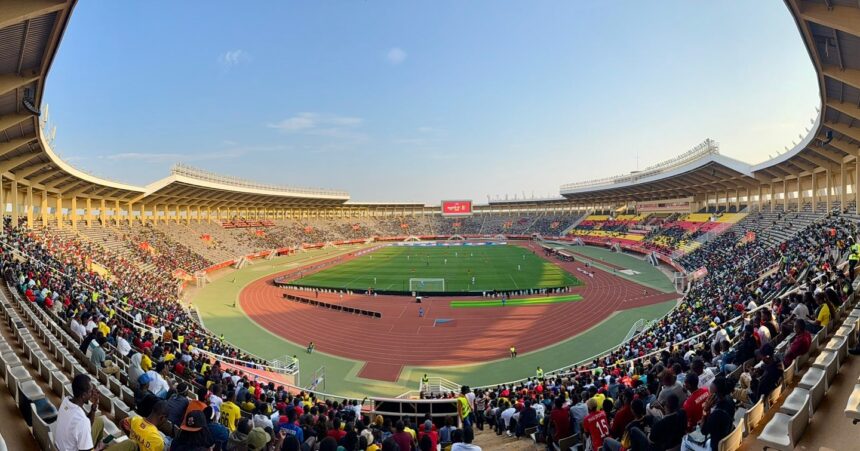
Road works around Hoima City Stadium and Mandela National Stadium
Shs184.9 billion for a passenger terminal at Kabalega International Airport
Ogwang expressed confidence that Uganda will meet all CAF requirements ahead of the next inspection scheduled for August.
“We are addressing all identified gaps and remain committed to meeting CAF requirements ahead of the tournament,” he told Parliament.
Despite the optimism, some lawmakers raised concerns over the pace and feasibility of preparations. MP Helen Nakimuli questioned whether infrastructure timelines, particularly in Hoima, could realistically be met.
She also highlighted design concerns, including VIP viewing angles and changing room standards, urging government to table the full CAF inspection report for proper parliamentary oversight.
The upcoming CAF inspection in August is expected to be a critical benchmark in assessing Uganda’s readiness to co-host one of Africa’s biggest sporting events.
The government’s ability to address existing gaps in infrastructure and compliance will likely determine the country’s standing in the historic joint hosting arrangement.