


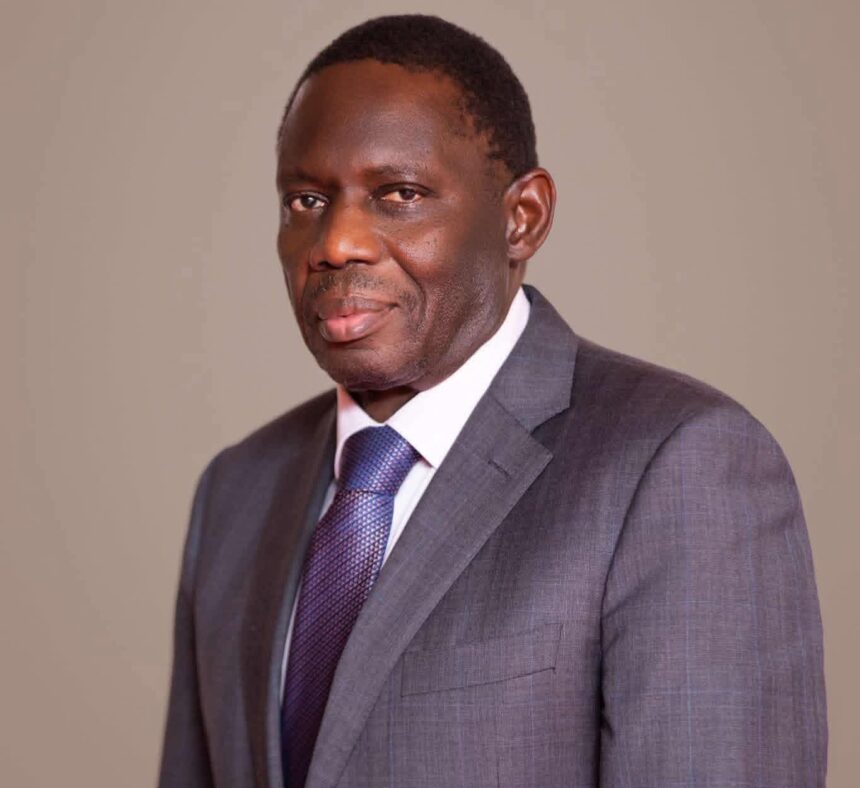
The Governor of the Bank of Uganda, Michael Atingi-Ego, has raised concerns that the proposed Protection of Sovereignty Bill 2026 could negatively impact Uganda’s financial stability if it disrupts foreign inflows.
Appearing before the Parliament of Uganda, Atingi-Ego emphasized that a country’s sovereignty is closely tied to the strength of its financial reserves.
“Chairman, a country without reserves is not sovereign. The potential of this Bill to destabilize Uganda’s balance of payments is our primary concern as a central bank,” he said.
He explained that Uganda recorded a balance of payments surplus of about USD 1.5 billion in the last financial year, which helped boost the country’s reserves to nearly USD 6 billion.
According to the Governor, these gains are largely driven by steady inflows of foreign exchange, which could be affected if the bill restricts financial interactions with external partners.
“The moment you tamper with these inflows, we risk running down our reserves, and that is economic disaster for a country,” he warned.
His remarks add to growing debate around the bill, with economic and political stakeholders raising concerns over its potential impact on investment, remittances, and overall economic stability.
Bank of Uganda Governor Atingi-Ego warned that the Sovereignty Bill could weaken Uganda’s economy by disrupting foreign inflows, risking a decline in reserves and financial stability.