


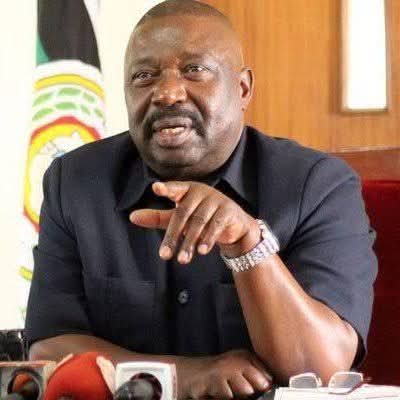
Former Deputy Attorney General Mwesigwa Rukutana has cautioned that passing the Protection and Sovereignty Bill 2026 could reverse Uganda’s economic progress and push the country backwards.
Speaking in an interview, Rukutana expressed concern over the potential impact of the bill, particularly on Uganda’s economy and its relationship with international financial systems.
He reflected on his time as Minister of State for Finance, recalling when Uganda was classified under the Highly Indebted Poor Countries (HIPC) initiative, a period he described as difficult and restrictive.
According to Rukutana, during that time, more than half of Uganda’s budget depended on foreign funding from institutions like the World Bank and the International Monetary Fund, limiting the country’s ability to independently set its priorities.
“We could not decide our own priorities. Budgets, development plans, and projects had to be approved externally,” he noted, describing the experience as a “nightmare.”
Rukutana warned that policies which disrupt foreign inflows or investor confidence could risk taking Uganda back to similar dependency.
He advised that instead of restrictive measures, Uganda should focus on boosting production, increasing exports, reducing luxury imports, controlling inflation, and maintaining liberal capital flows to attract and retain investment.
Mwesigwa Rukutana warned that the Sovereignty Bill could harm Uganda’s economic progress, urging policies that support investment, exports, and financial stability instead of restrictions.