


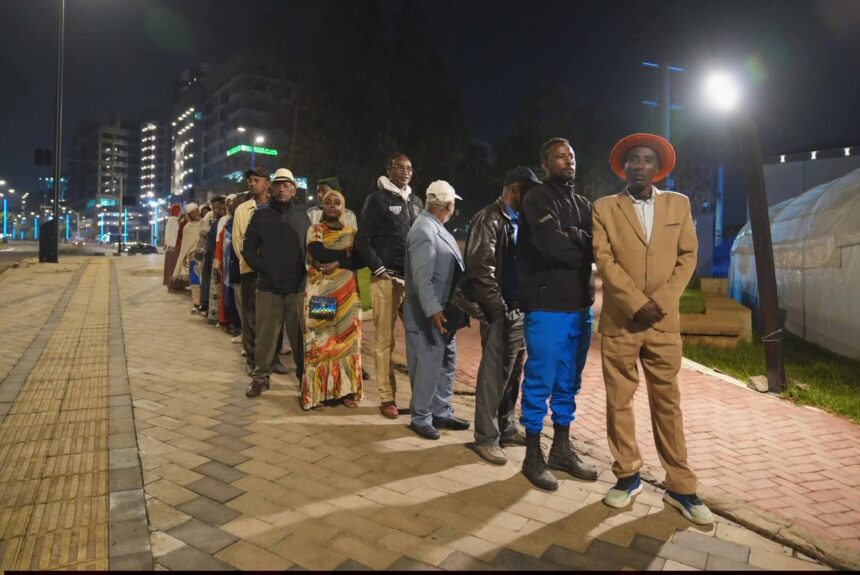
Millions of Ethiopians headed to the polls on Monday as Ethiopia held its 7th national general election, the first parliamentary vote since the formal end of the devastating Tigray conflict.
The election is widely expected to deliver another strong victory for Prime Minister Abiy Ahmed and his ruling Prosperity Party (PP), which currently dominates the country’s political landscape.
More than 50 million registered voters are expected to participate in the exercise, choosing representatives to the 547-member House of Peoples’ Representatives through a first-past-the-post electoral system. A party or coalition must secure at least 274 seats to form the federal government and select the Prime Minister.
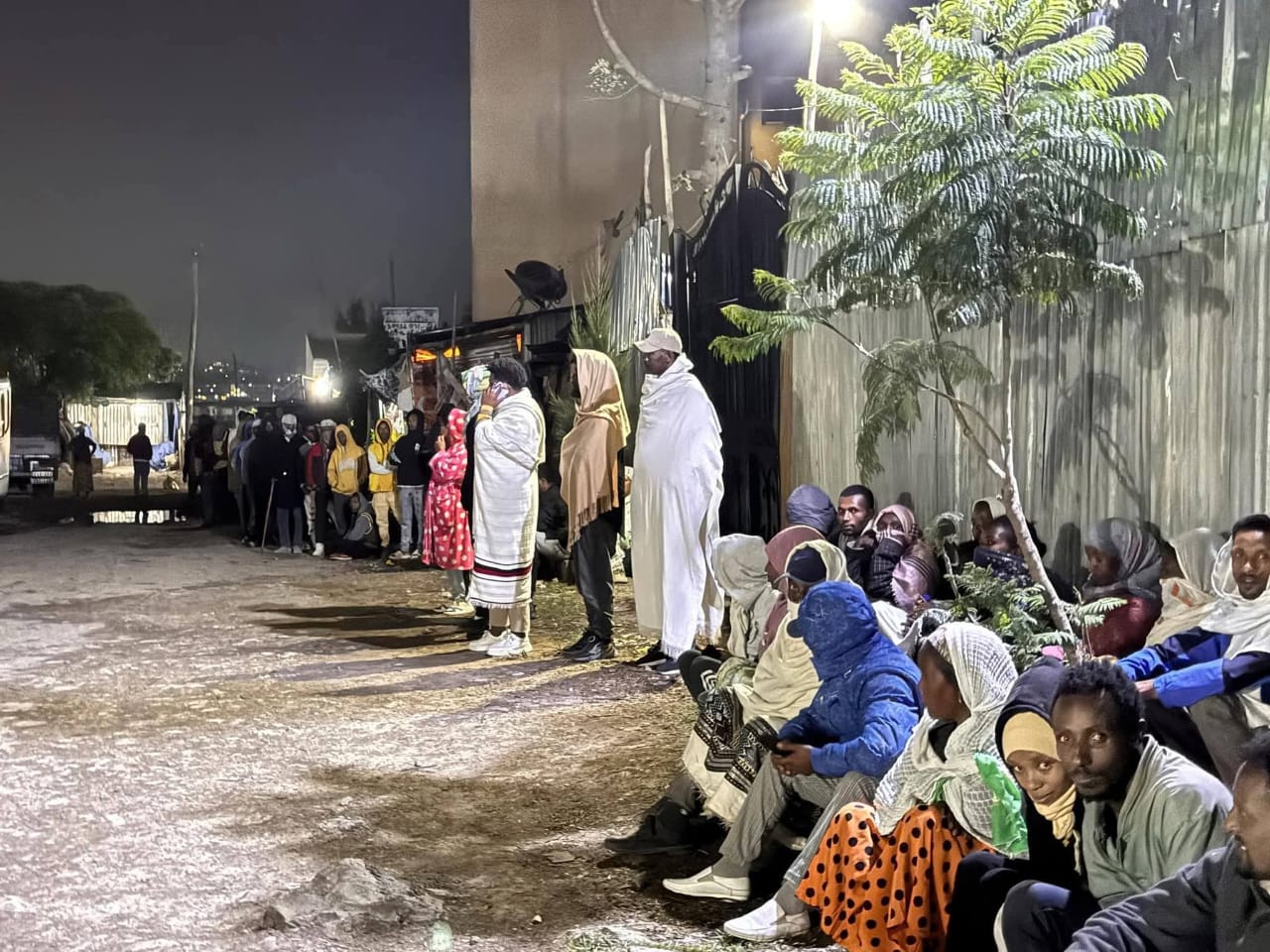

The vote comes at a critical moment for Ethiopia as the country seeks to consolidate stability following years of conflict, political tensions, and economic challenges. While the 2022 peace agreement formally ended the Tigray war, security concerns remain in several parts of the country, particularly in the Amhara and Oromia regions.
Voting is not taking place in the Tigray region due to what electoral authorities described as unfavorable conditions following the civil war and ongoing political uncertainties. Millions of citizens in conflict-affected areas are also expected to face difficulties participating in the election.
The Prosperity Party has campaigned on its record of economic reforms, infrastructure development, and efforts to improve food security. Government projections indicate Ethiopia’s economy could grow by more than 10 percent in 2026, making it one of Africa’s fastest-growing economies.
However, opposition parties and rights groups have raised concerns about the electoral environment, alleging restrictions on political activities, unequal campaign conditions, and security-related obstacles. The government has denied accusations of suppressing opposition voices and maintains that the election process remains credible.
Political analysts largely expect Abiy’s Prosperity Party to retain a commanding parliamentary majority, with the fragmented opposition facing an uphill battle against the ruling party’s nationwide structure and influence.
Official results are expected to be announced in the coming days, with observers closely watching whether the election will strengthen national reconciliation efforts or deepen existing political divisions.