


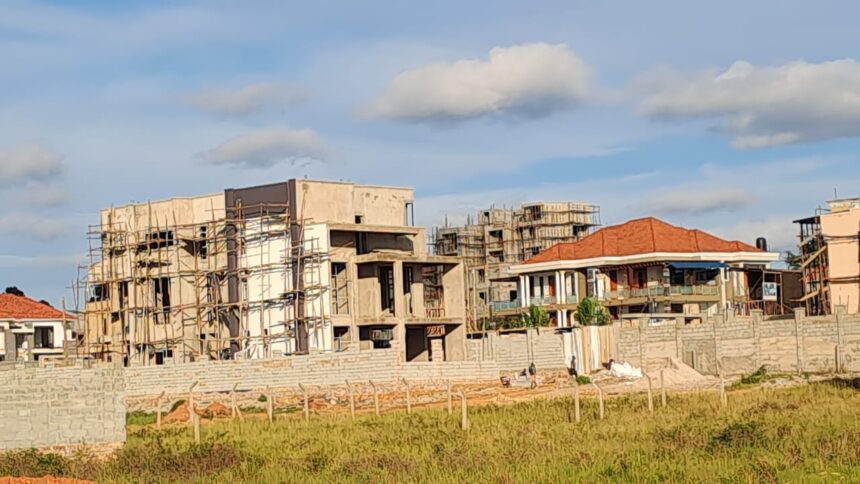
More than 100 residential structures, including several high-end homes built within the Kajjansi wetland system, are facing possible demolition after the National Environment Management Authority (NEMA) issued restoration orders aimed at reclaiming the degraded ecosystem.
The orders, issued on Tuesday evening, require property owners and developers occupying sections of the wetland to voluntarily remove the affected structures within the stipulated period or risk government-led demolition at their own cost.
According to Barirega Akankwasah, the exercise forms part of a broader government campaign to protect and restore wetlands that have come under increasing pressure from illegal construction, encroachment, and environmental degradation.
NEMA is conducting the operation in collaboration with the Department of Wetlands Management under the Ministry of Water and Environment and the relevant local governments.
Dr. Barirega said wetlands play a critical role in flood control, water filtration, biodiversity conservation, and climate resilience, making their protection a national priority.
The Kajjansi wetland, located along the Kampala-Entebbe corridor, has experienced rapid urban development in recent years, with residential estates, commercial buildings, and industrial facilities increasingly encroaching on protected areas.
Environmental experts have repeatedly warned that continued destruction of wetlands around Kampala and Wakiso could worsen flooding, reduce water quality, and increase the impact of climate-related disasters.
The latest restoration orders signal a renewed crackdown on illegal developments in ecologically sensitive areas, regardless of the value of the structures involved.
Property owners affected by the directive are expected to engage with environmental authorities regarding compliance measures and timelines for restoration.
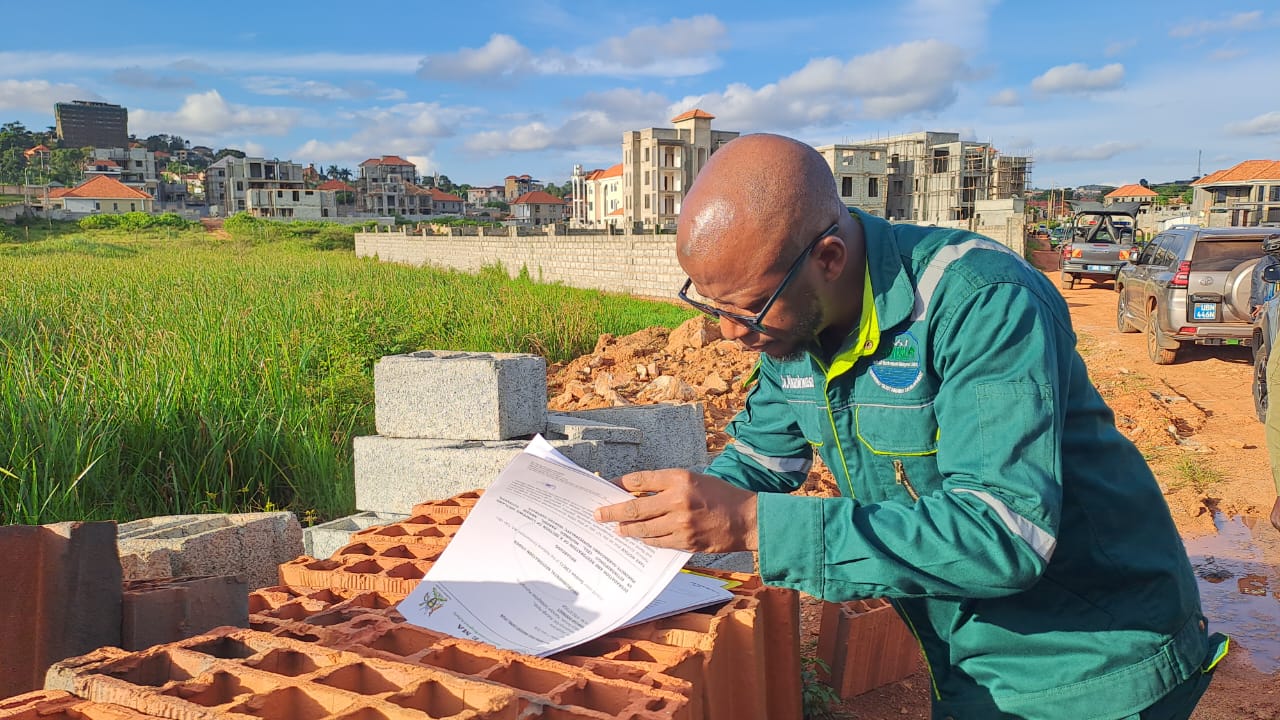

NEMA has maintained that the enforcement exercise is intended to ensure compliance with environmental laws and safeguard natural ecosystems for future generations.
The development is likely to spark debate among property owners and investors, particularly those who have invested heavily in residential projects within the affected areas. However, environmental authorities insist that protection of wetlands remains essential for sustainable urban development and environmental conservation in Uganda.
If implemented fully, the restoration exercise could become one of the largest wetland recovery operations undertaken in the Kampala metropolitan area in recent years.