

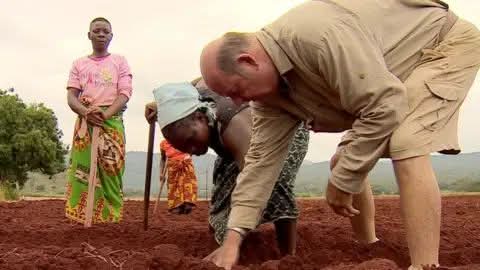
Zimbabwe has announced plans to return 67 farms previously seized during the land reform programme under former President Robert Mugabe, in a move aimed at rebuilding investor confidence and improving relations with Western nations.
The announcement was made by Agriculture Minister Anxious Masuka, who said the farms are protected under bilateral investment agreements signed between Zimbabwe and several European countries, including Germany, Netherlands, Switzerland, and Denmark.
The farms were among thousands of commercial properties seized during Zimbabwe’s fast-track land reform programme in the early 2000s, a policy that sought to redistribute land from white commercial farmers to black Zimbabweans. While the programme was presented as a corrective measure to colonial-era land imbalances, it triggered sharp economic decline, food production challenges, and diplomatic tensions with Western countries.
Masuka said the latest decision reflects government efforts to resolve outstanding disputes linked to protected investments and signal a commitment to honoring international agreements.
Analysts say the move could help Zimbabwe improve its investment climate at a time when the country is seeking foreign capital to revive agriculture, mining, and infrastructure development.
The decision is also viewed as part of broader re-engagement efforts by President Emmerson Mnangagwa’s administration, which has been attempting to normalize relations with Western governments and international financial institutions after years of isolation.
However, land reform remains a politically sensitive issue in Zimbabwe, with some war veterans and beneficiaries of redistributed land likely to oppose any reversal perceived as benefiting former white commercial farmers.
Government officials insist the returned farms are specifically tied to international protection agreements and do not signal a broader reversal of land reform policy.
The development marks another significant chapter in Zimbabwe’s long-running effort to balance historical land justice, economic recovery, and international credibility.