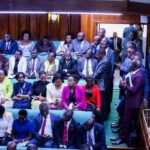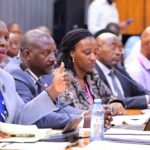

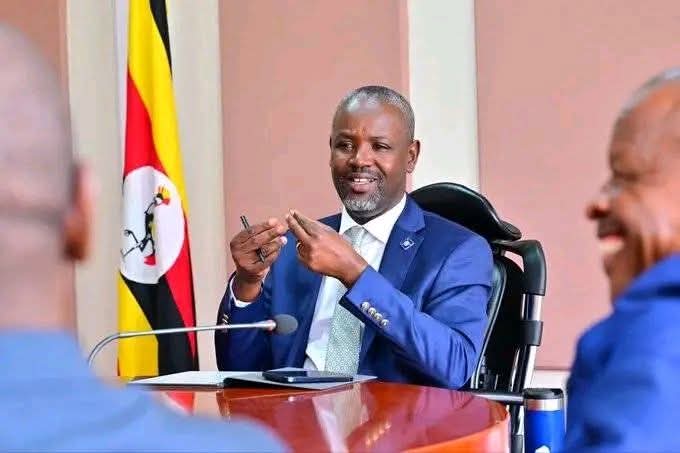
Deputy Speaker of Parliament Rt. Hon. Thomas Tayebwa has cautioned Members of Parliament against what he described as excessive and undisciplined feeding habits during committee meetings, urging legislators to conduct themselves in a manner that reflects the economic realities facing ordinary Ugandans.
Speaking during a parliamentary event, Tayebwa advised MPs in the 12th Parliament to exercise discipline and decorum, particularly when being served refreshments during committee sittings.
He specifically criticised the tendency by some legislators to overload their plates with food items such as samosas, chapati, cassava, and other snacks in full public view, warning that the behavior creates a negative public image of Parliament.
“We must be mindful of the people we represent. Many Ugandans are struggling to afford basic meals, so leaders should avoid actions that may appear excessive or wasteful,” Tayebwa said.
The Deputy Speaker stressed that parliamentary leaders must remain sensitive to the hardships affecting citizens and uphold standards of conduct that inspire public confidence in the institution.
Tayebwa also drew comparisons with parliamentary practices in other countries, noting that some foreign legislatures only provide bottled water during committee meetings instead of elaborate refreshments.
“In some parliaments, members are only given water during meetings. Here, we already provide refreshments, but that should not become an opportunity for embarrassment,” he remarked.
He further reminded MPs that Parliament has a fully operational canteen where legislators can purchase additional food if necessary rather than overcrowding plates during official sessions.
The remarks come as Uganda’s 12th Parliament continues settling into office following the swearing-in and orientation of newly elected lawmakers earlier this month.
Tayebwa’s comments have since sparked discussion both within political circles and on social media, with some Ugandans supporting his call for modesty and discipline among leaders, while others argued that Parliament should focus more attention on broader concerns such as public expenditure and service delivery.