


By Roman M.M.
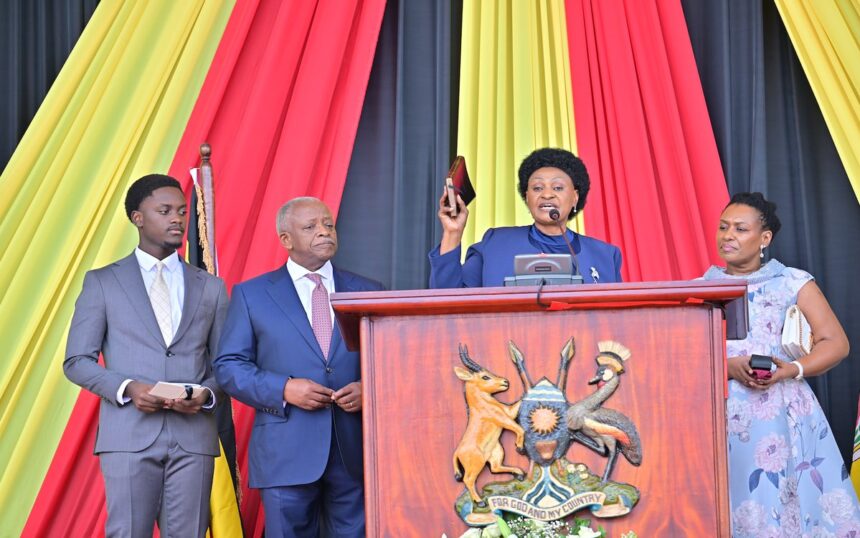
Power is intoxicating, but its sudden departure can be blinding. For leaders accustomed to the wailing sirens, armored convoys, and unyielding deference of public office, the transition back to ordinary citizenship often brings a harsh reality check. Few have articulated this abrupt shift as candidly as the Minister of State for Gender, Labour and Social Development in charge of Elderly Affairs, Hon. Jacqueline Mbabazi.


Speaking at the 10-day Cabinet induction retreat for newly appointed and returning ministers at the National Leadership Institute (NALI) in Kyankwanzi, Hon. Mbabazi delivered a masterclass in emotional intelligence. She drew deeply from her family’s sudden plunge from the pinnacle of Ugandan political power in 2014, offering a rare, unvarnished glimpse behind the curtain of political privilege.
When her husband, former Prime Minister Amama Mbabazi, announced his 2016 presidential bid, the resulting political fallout was swift and absolute. As a core member of the revolution and wife to the ‘Super Minister’ and Secretary General of the ruling party, Jacqueline Mbabazi had lived a life insulated by state machinery.
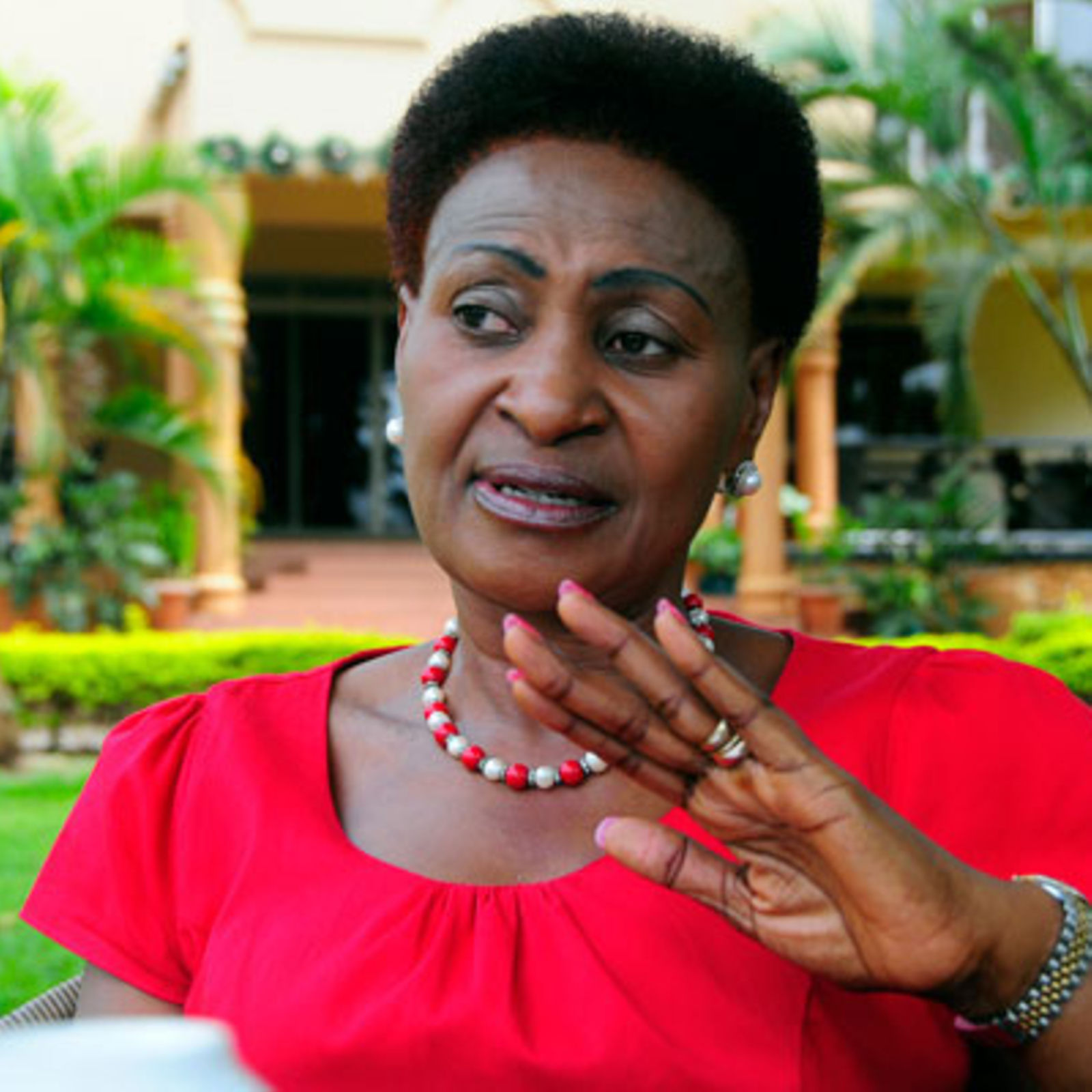

“I wake up one morning, and all of a sudden, somebody is withdrawing the entire security. Oh my God. The cars are gone,” she recounted to an attentive audience of ministers and permanent secretaries.
The abruptness left her household disoriented. Children were left wondering what had happened, and the family found themselves in a sprawling home without so much as a guard dog—a mundane necessity they had never before needed to consider. Overnight, the former Prime Minister became his own driver. It was a stark reminder of how quickly the trappings of power can evaporate.
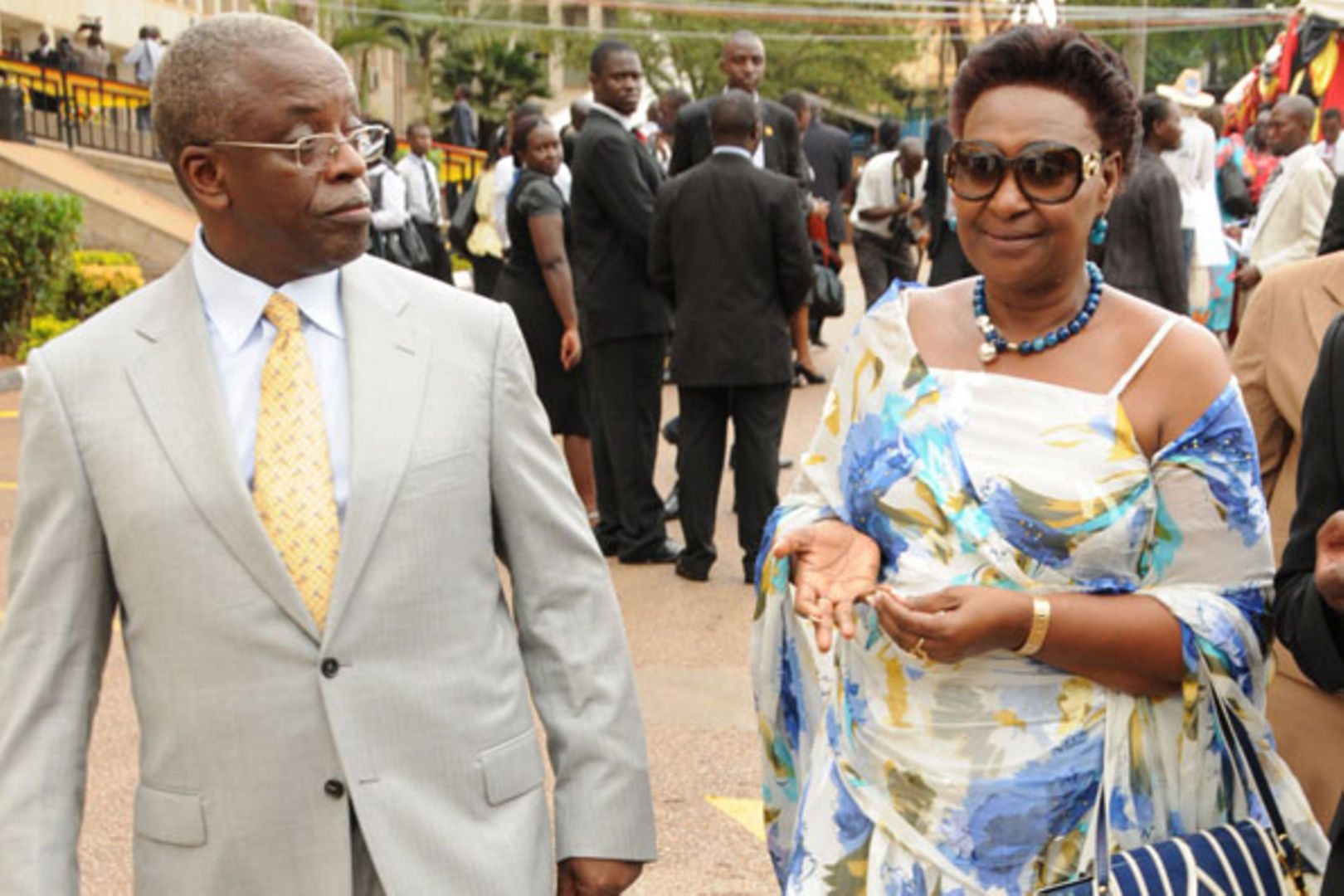
For many leaders, the loss of status brings profound emotional turmoil. Hon. Mbabazi highlighted the necessity of emotional intelligence in navigating such dramatic life shifts. Prior to 2014, her lifestyle matched her family’s formidable political standing.
“I used to shop in New York and London,” she admitted, drawing a sharp contrast to the reality that followed. “You will not believe that I had to go to Kihihi… find a tailor to make me some nice dresses.”
Rather than viewing this transition as a degradation, she framed it as a triumph of personal resilience. Stripping away the imported luxuries, she found contentment in locally made bitenges costing just 70,000 shillings. “The beauty of it all is that I brought myself to that level. And I thank God for putting me at that level… I was really very smart and happy.”
Perhaps the most resonant lesson from her testimony pertained not to the leaders themselves, but to their families. Hon. Mbabazi recounted a disturbing encounter at a small family gathering where she met two young children, aged three and five.
When asked whose children they were, the young girl replied, “We are children of the minister… You don’t know the minister?”
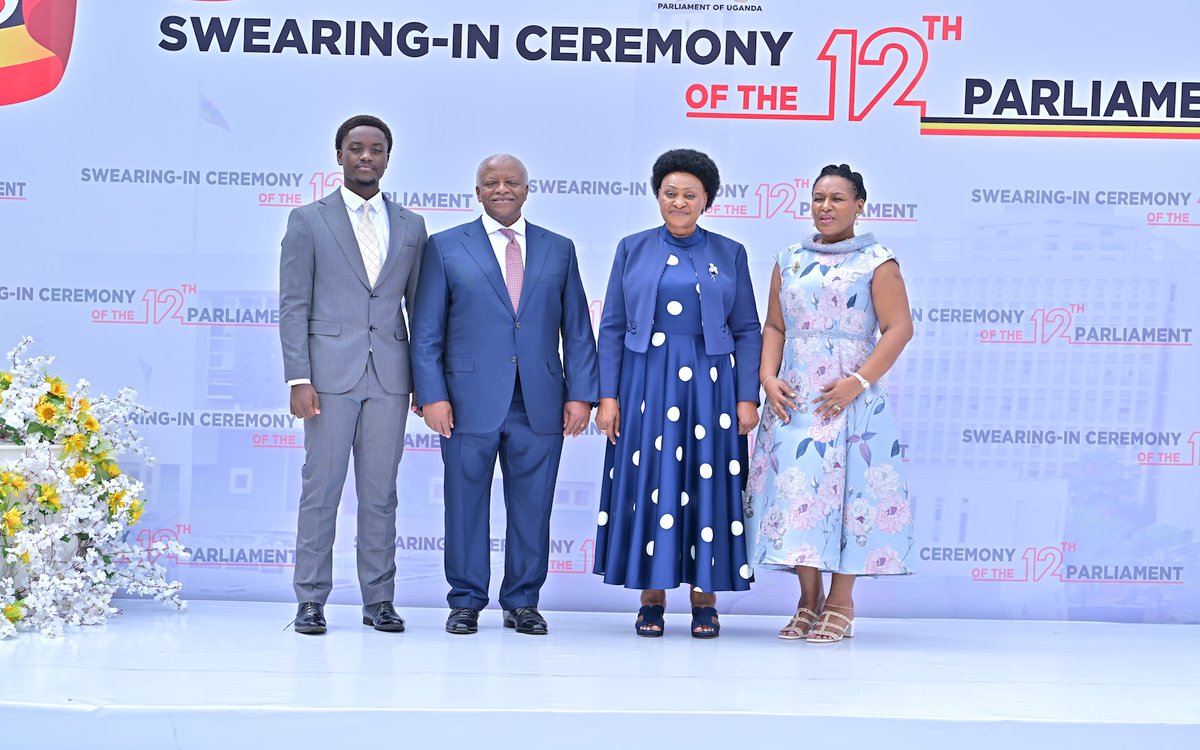

That interaction deeply unsettled her, serving as a glaring example of how political power can foster premature entitlement in children. She issued a stern warning to her peers: “As we deal with our emotional intelligence, let’s also train our children not to think that they are up there. We also need to work on our families… and bring them to that level.”
Today, Hon. Jacqueline Mbabazi is back in the cabinet, but her perspective has been fundamentally altered by her time outside the corridors of absolute power. She is no longer reliant on the heavy state security apparatus that once defined her status. Her security now consists of “two very good dogs” and the occasional policeman, a setup she accepts without the anxiety of her past.
She concluded her address by clarifying her motives for returning to government. It is not a pursuit of the glamorous past, but a mission rooted in service. “I’m not back because I miss the past,” she stated firmly. “I’m back because of the conviction to help some vulnerable older persons of this country.”

For Uganda’s current and future leaders, Hon. Mbabazi’s testimony serves as a crucial, educative reminder: political power is transient. What remains when the convoys depart is one’s character, resilience, and emotional intelligence.