
The Ugandan government has formally introduced the Protection of Sovereignty Bill, 2026 before Parliament, proposing far-reaching restrictions on foreign influence, funding, and engagement within the country.
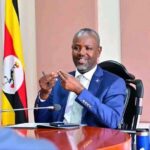
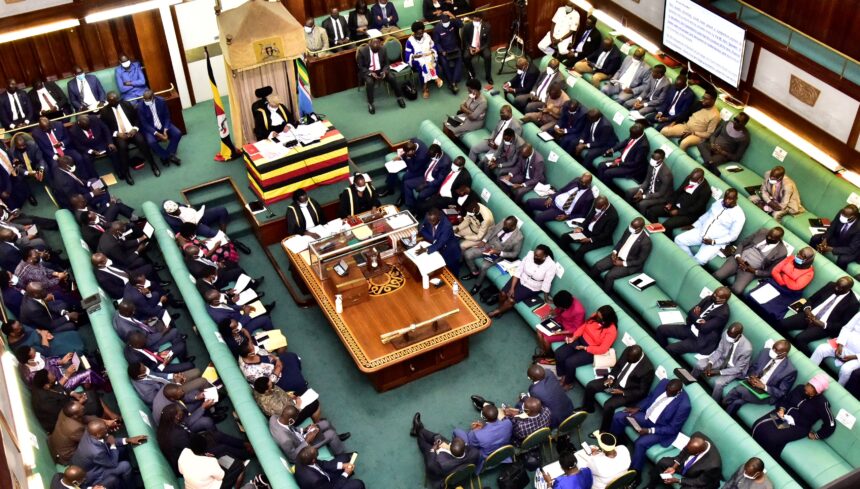
The bill was tabled by State Minister for Internal Affairs David Muhoozi during a plenary session chaired by Speaker Anita Annet Among.
Immediate pushback from MPs
The tabling of the bill was met with instant from Members of Parliament, who raised concerns over the absence of physical copies of the draft legislation. Legislators argued that such a significant bill required proper documentation for review.
However, Speaker Among dismissed the اعتراض, directing MPs to access the document electronically via their iPads, allowing proceedings to continue.
The proposed law introduces strict regulatory measures targeting individuals and organisations with links to foreign entities.
Under the bill:
Anyone acting on behalf of a foreign entity must formally register with authorities
Individuals or organisations receiving more than Shs400 million annually from foreign sources must seek written approval from the minister
All foreign loans to Ugandan borrowers will require government clearance
Failure to comply could result in entities being classified as “foreign agents,” a designation that carries severe legal consequences.
Heavy penalties and enforcement powers
The legislation outlines tough punitive measures for violations:
Individuals risk fines of up to Shs2 billion or prison sentences of up to 20 years
Organisations, including NGOs and corporations, face fines of up to Shs4 billion
Offences such as promoting foreign interests in elections or undermining the economy attract long custodial sentences
The bill also grants authorities powers to seize assets and funds linked to breaches, significantly strengthening enforcement mechanisms.
The proposal comes at a time of increasing tension between the state and civil society groups, following recent actions by the Financial Intelligence Authority, including the freezing of accounts and closure of several NGOs.
Government officials argue that the bill is necessary to safeguard national sovereignty and prevent external interference in Uganda’s political and economic affairs.
The draft legislation has now been referred to the Parliamentary Committee on Defence and Internal Affairs, as well as the Legal Committee, for detailed scrutiny and public consultation.
The outcome of this process is expected to spark significant national debate, as stakeholders weigh concerns over national security against issues of civic space, economic activity, and constitutional freedoms.