
The Ugandan government has proposed a sharp increase in salaries for Resident District Commissioners (RDCs), Deputy RDCs, and Assistant RDCs, in what officials describe as a long-overdue adjustment after nearly two decades without enhancement.
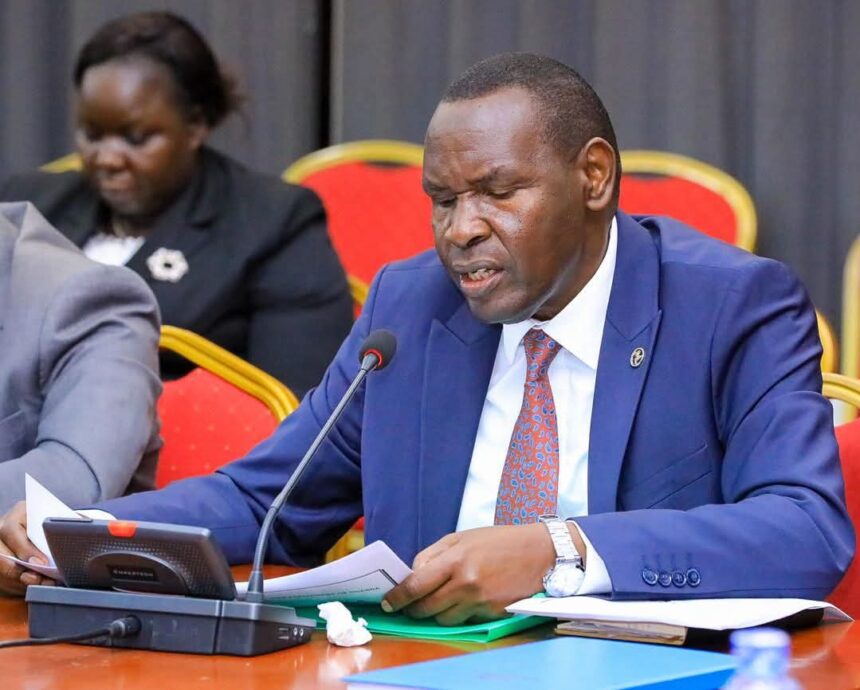
The proposal, presented before Parliament by the Chairperson of the Presidential Affairs Committee, Alex Byarugaba, would raise RDC salaries from the current UGX2.29 million to UGX9 million per month. Deputy RDCs would see their pay increase from UGX1.28 million to UGX5 million, while Assistant RDCs would move from UGX877,216 to UGX2.695 million.
If approved, the revised structure will cost taxpayers an estimated UGX29.078 billion annually in salaries alone.
According to the committee report on the 2026/27 Ministerial Policy Statement for the Office of the Presidency, Uganda currently has 146 RDCs, 170 Deputy RDCs, and 432 Assistant RDCs deployed across the country.
The proposed increments come at a time when government is under growing pressure over public expenditure, especially following Parliament’s approval of a record UGX84.391 trillion national budget in which debt servicing alone consumes nearly 40 percent of total expenditure.
Government officials argue that RDCs play a critical role in security coordination, government supervision, monitoring public programs, and representing the President at district level, yet their salaries have remained stagnant for almost 20 years despite inflation and expanding responsibilities.
Supporters of the move say the increments could improve morale, reduce vulnerability to corruption, and strengthen government oversight structures at local level.
However, critics are likely to question both the timing and scale of the proposal, especially given ongoing concerns over unemployment, pressure on public services, and repeated complaints from sectors such as health and education over inadequate funding and staffing.
The proposal also revives debate about the growing size and cost of Uganda’s administrative structure. Over the years, the number of RDC-related positions has expanded significantly, with the introduction of deputy and assistant RDCs aimed at strengthening political mobilization, intelligence gathering, and implementation of government programs.
Opposition figures and some civil society actors have previously argued that the RDC structure increasingly overlaps with the work of local governments, security agencies, and technical civil servants, raising concerns about duplication of roles and rising recurrent expenditure.
The salary proposal now awaits further parliamentary scrutiny as lawmakers debate priorities within an increasingly constrained fiscal environment.
If passed, it would represent one of the most substantial salary adjustments for presidential representatives in Uganda’s recent history.