
Uganda’s Deputy Speaker of Parliament, Thomas Tayebwa, has called on African lawmakers under the Organization of African, Caribbean and Pacific States (OACPS) to firmly resist what he described as increasing interference by the European Parliament in the internal affairs of African nations.
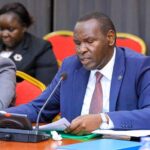
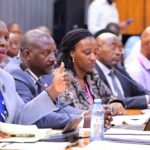
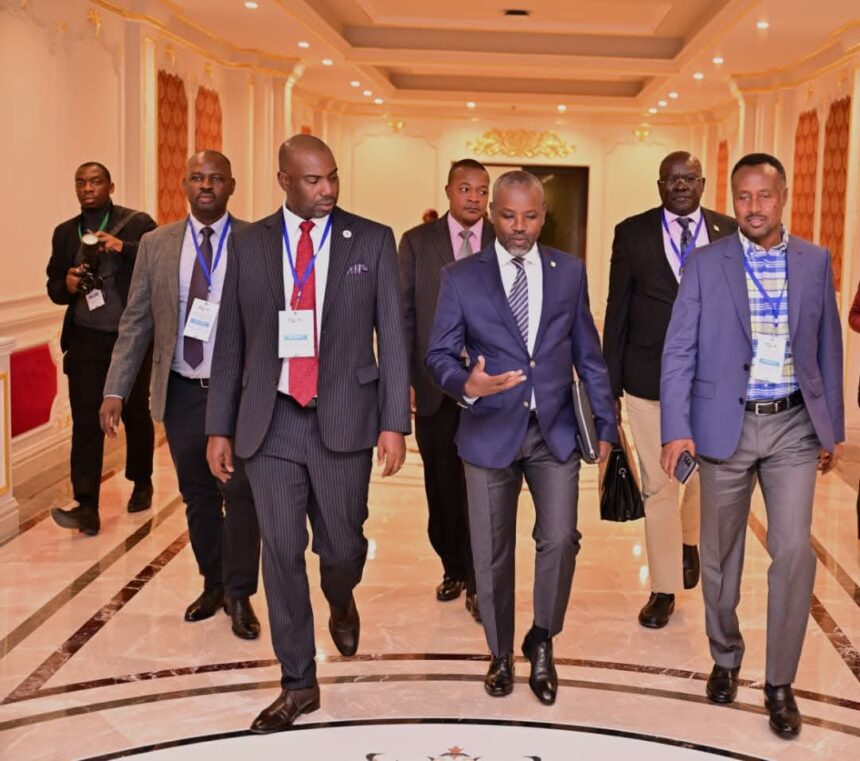
Speaking during a meeting of the Eastern Africa Regional Parliamentary Group in the Ezulwini Valley, Tayebwa argued that African countries deserve greater respect for their sovereignty and political processes.
Tayebwa, who currently serves as President of the Organization of African, Caribbean and Pacific States> Parliamentary Assembly and Co-president of the Joint Parliamentary Assembly, criticized the European Parliament over what he termed contradictory actions toward Uganda following the January 2026 general elections.
According to Tayebwa, the European Parliament passed a resolution condemning Uganda’s elections and summoned Uganda’s ambassador despite earlier positive assessments from European Union election observers, who had reportedly described the polls as free and fair.
He said such actions undermine the spirit of mutual respect and partnership embedded in the Samoa Agreement, which governs cooperation between OACPS member states and the European Union.
“The principle of partnership must be based on mutual respect and non-interference,” Tayebwa reportedly told delegates, warning against what he sees as selective political pressure directed at African governments.
The remarks come amid growing debate across Africa about the balance between international accountability and national sovereignty, particularly regarding governance, elections, human rights, and strategic economic projects.
Tayebwa also cited the European Parliament’s 2022 resolution calling for the suspension of the East African Crude Oil Pipeline as another example of external interference affecting African development priorities.
The pipeline project, jointly developed by Uganda and Tanzania, has faced sustained criticism from European lawmakers and environmental activists over climate and human rights concerns. However, Uganda and Tanzania have consistently defended the project as critical for regional economic transformation, energy development, and job creation.
Tayebwa noted that African legislators previously pushed back against the resolution during an OACPS meeting in Maputo, eventually leading to its withdrawal.
“This demonstrates the value of standing firm against what is not right,” he said.
His comments reflect a broader trend among several African leaders and institutions increasingly advocating for independent policy-making and reduced external influence over domestic political and economic decisions.
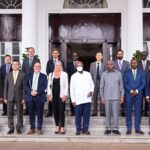
The discussions in Eswatini are expected to feed into wider OACPS deliberations on Africa-Europe relations, sovereignty, development financing, and parliamentary cooperation.