
By Roman M. Mugalya, Legal, Public Administration & Policy Expert
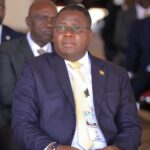
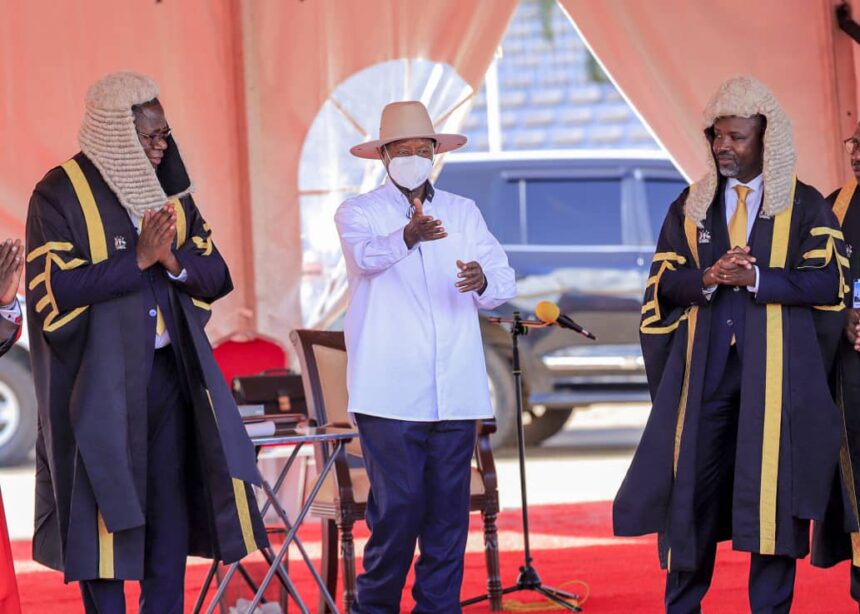
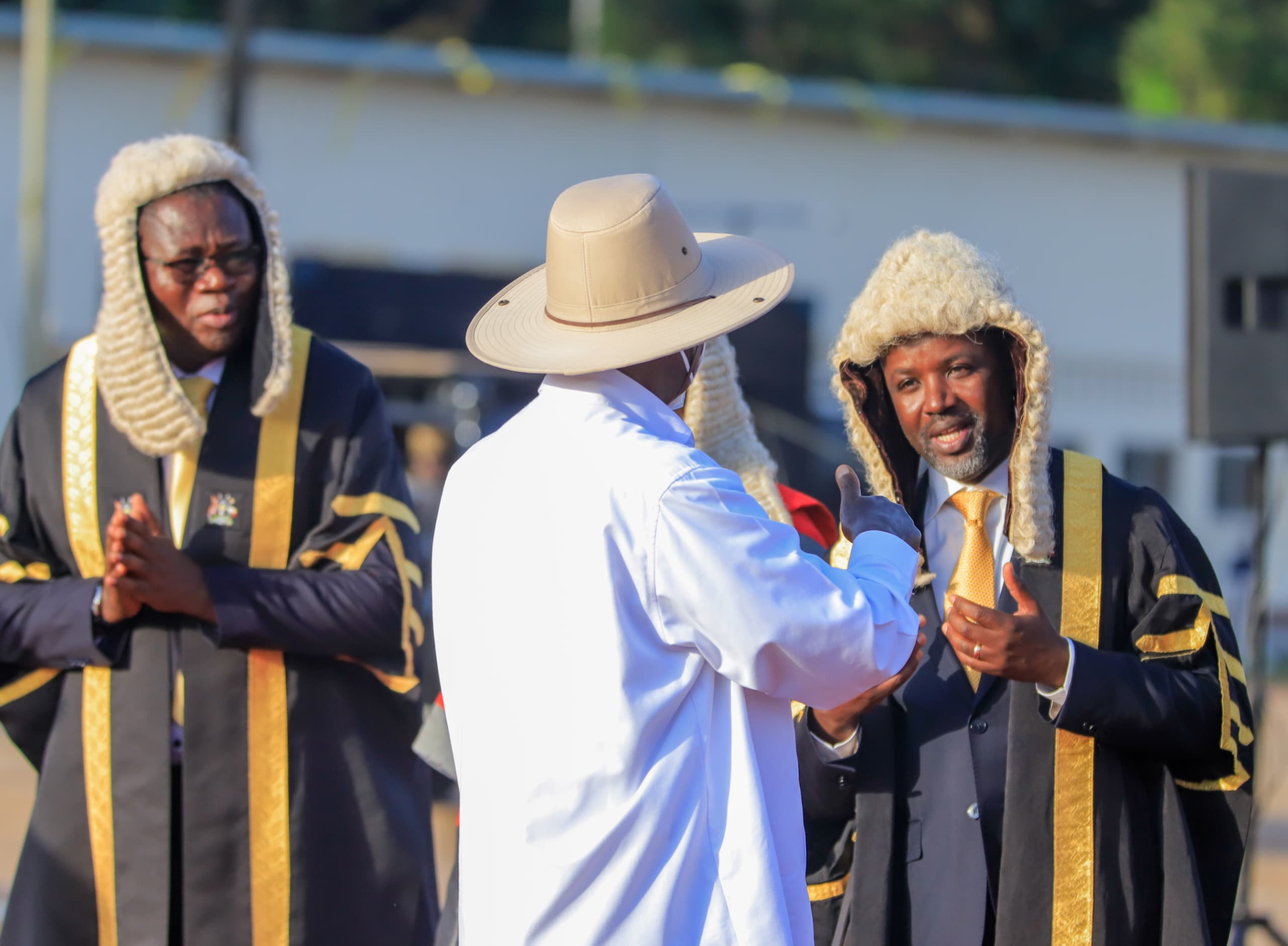
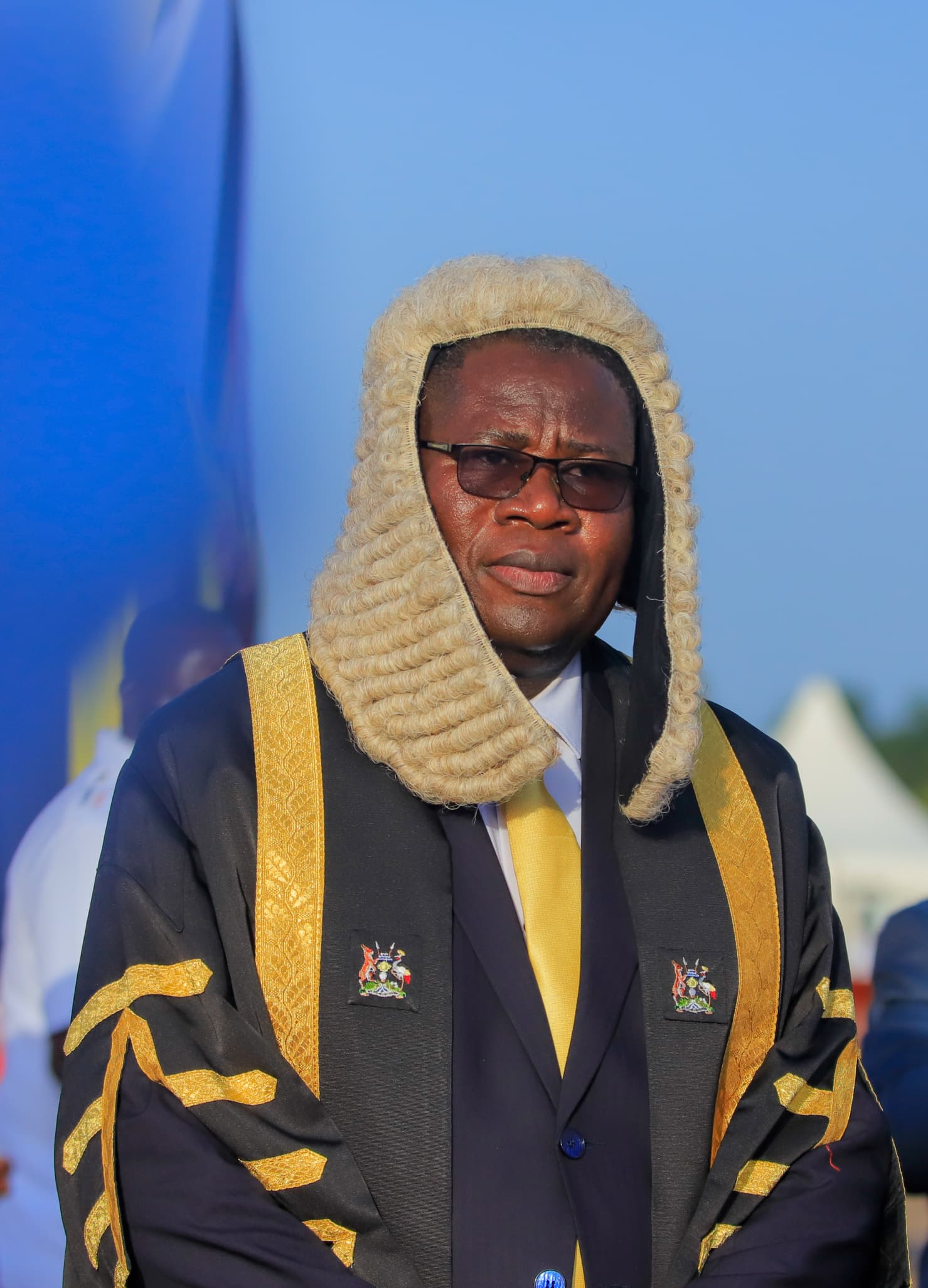
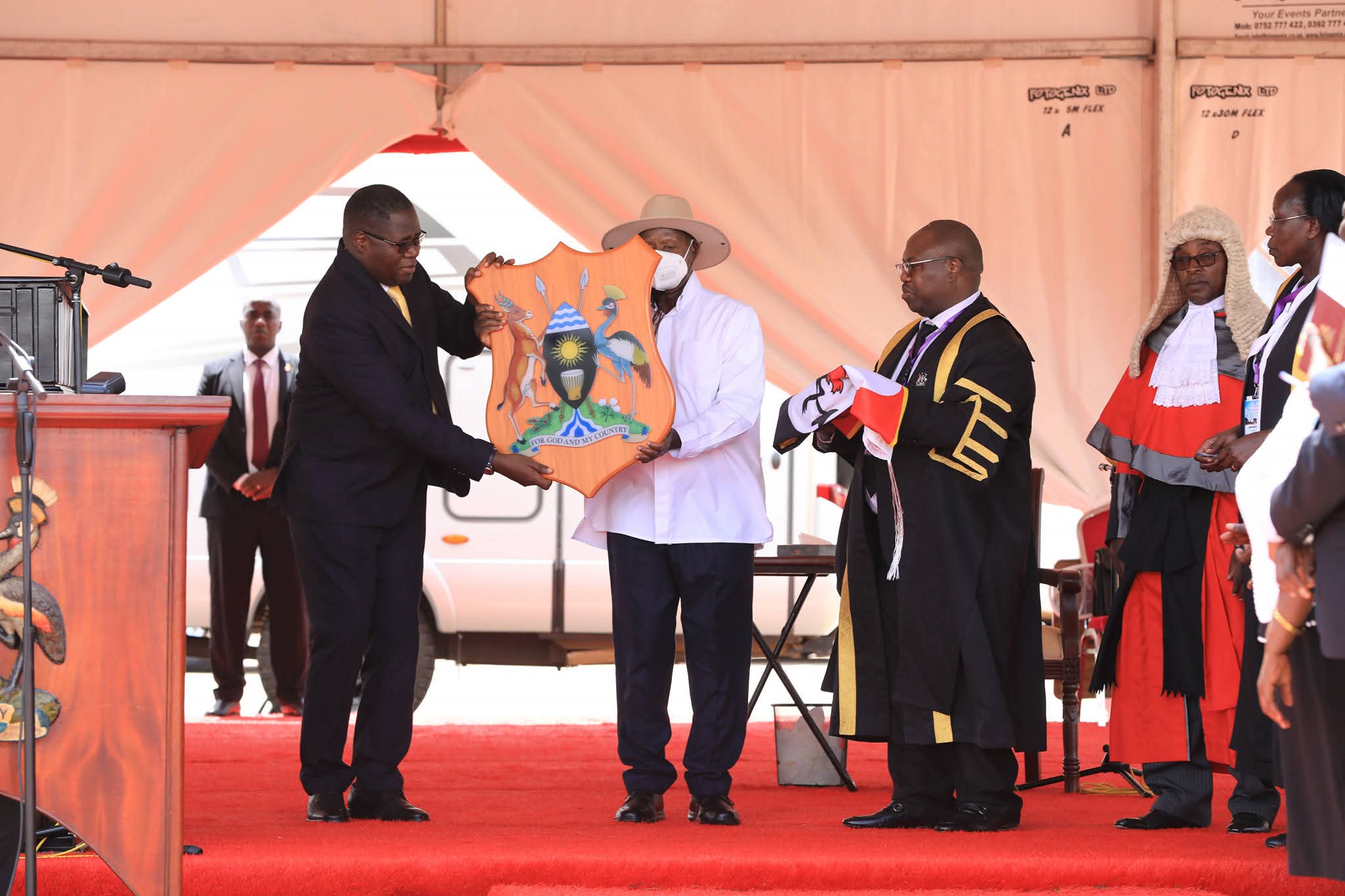
The election of Rt. Hon. Jacob Markson Oboth as the Speaker of the 12th Parliament of Uganda on May 25, 2026, alongside the re-election of Rt. Hon. Thomas Tayebwa as Deputy Speaker, marks a pivotal structural break in Uganda’s legislative history. For the first time in recent governance cycles, the ruling National Resistance Movement (NRM) departed from its deeply entrenched tradition of allowing party-leaning Speakers to serve two uninterrupted terms.
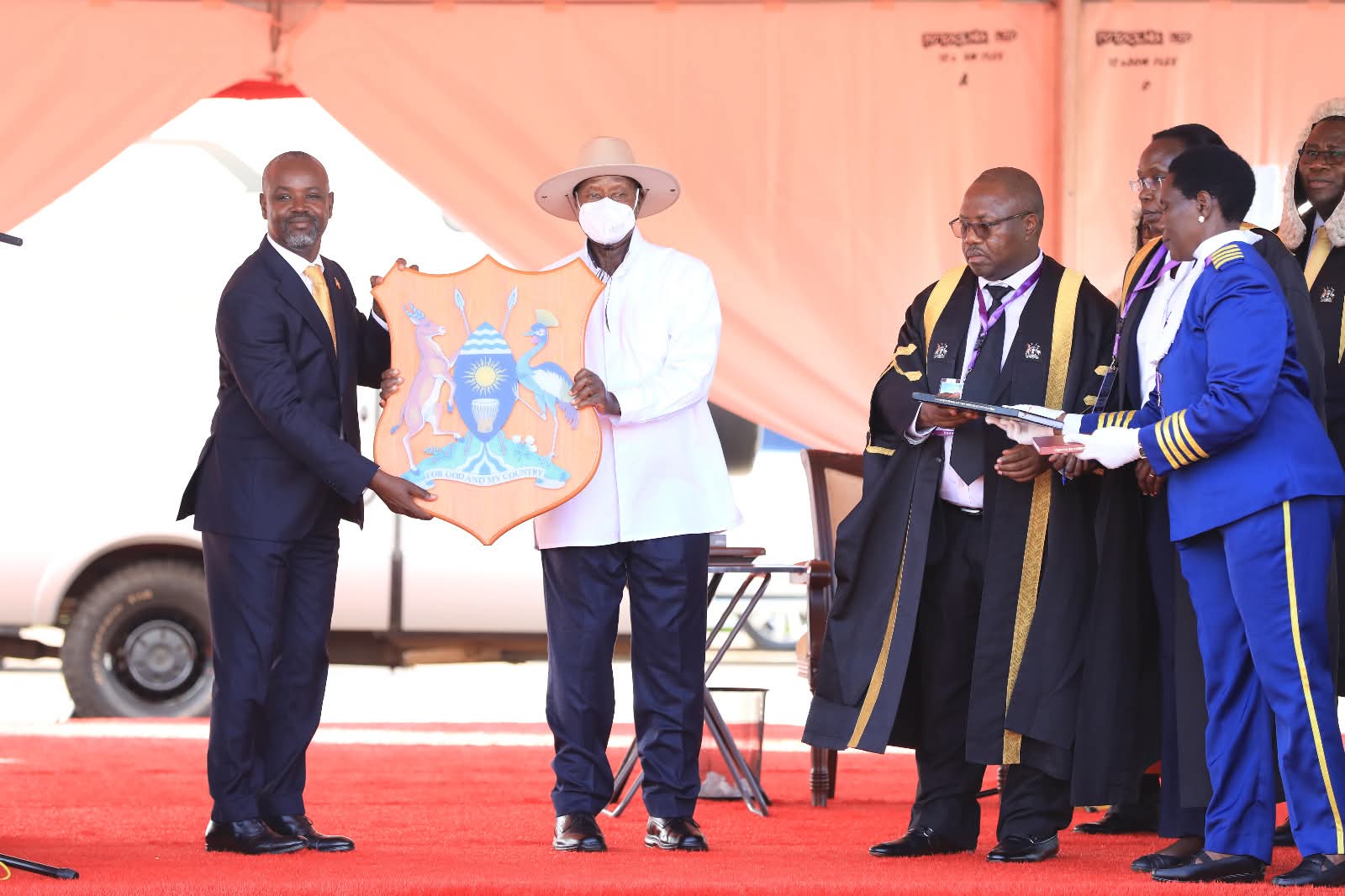
This unprecedented political shift follows the strategic withdrawal of the outgoing Speaker, Anita Annet Among, amid intense public scrutiny, international sanctions, and sweeping allegations of systemic institutional corruption during her tenure.
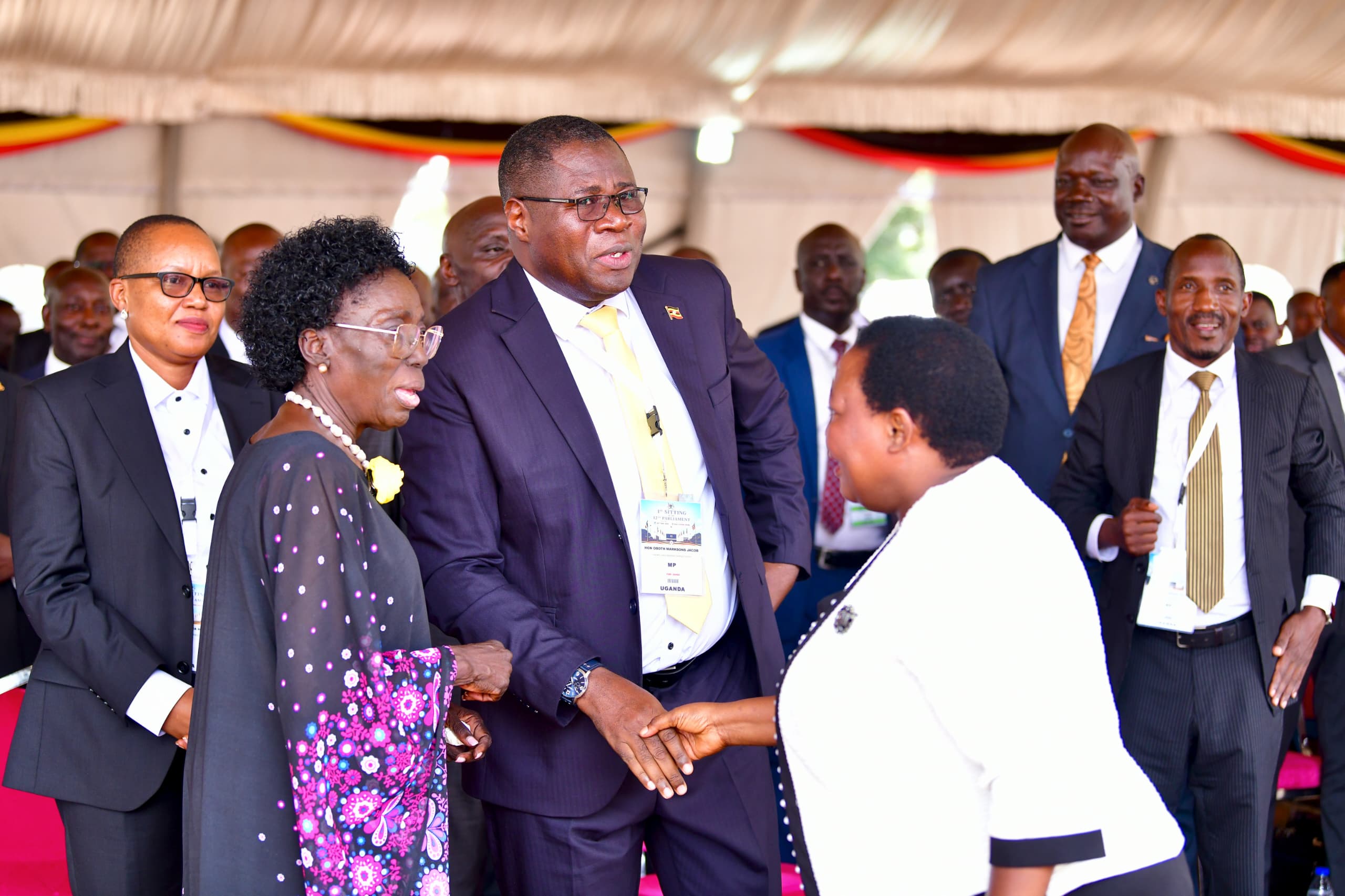
Speaker Oboth assumes the chair at a critical juncture when the public image of the Legislature is profoundly compromised. Once revered as the ultimate vanguard of oversight and checks on the Executive, Parliament is increasingly viewed by ordinary citizens and civil society as an epicenter of self-aggrandizement and fiscal indiscipline.
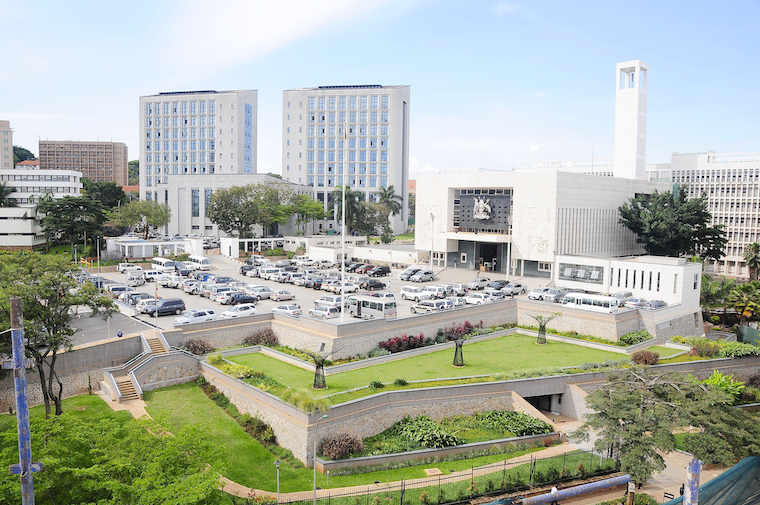
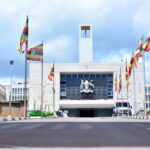
To reverse this toxic public perception and assert himself as a high-performing head of the Legislature, the new Speaker must bypass empty platitudes and focus on a tangible, high-stakes administrative deliverable: the immediate and uncompromising completion of the new Parliamentary building.
The Fiscal Burden of Delayed Infrastructure
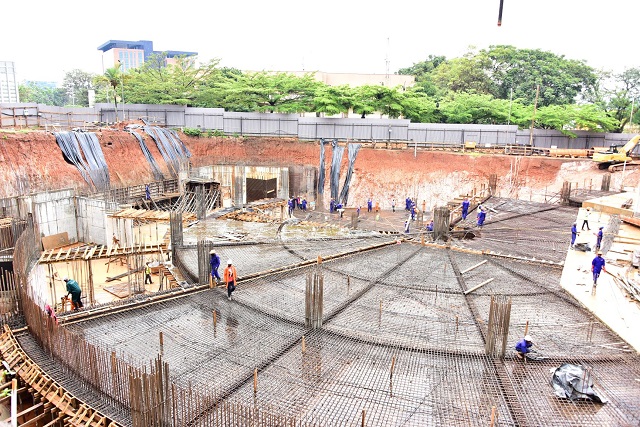
For nearly a decade, spanning the historic tenures of Rt. Hon. Rebecca Alitwala Kadaga and her immediate successor, Anita Among, the completion of the new parliamentary chambers and member offices has remained an elusive, stalled promise. Initiated to accommodate an expanding legislature, the project has suffered from shifting timelines, budgetary inflation, and structural delays. While the number of legislators swelled across successive terms—now standing at an unprecedented 527 members in the 12th Parliament—the physical infrastructure has remained stagnant, trapped in a multi-year construction loop.
The Cost of Inaction: Every month the new expansion remains incomplete, hundreds of millions of shillings in taxpayer revenues are diverted directly into the private real estate market to rent external office spaces across Kampala for stranded Members of Parliament. This recurrent bleeding of national capital represents a profound systemic waste.
In public administration and macroeconomic planning, this is a textbook example of allocative inefficiency. Renting office space for legislators is a consumable recurrent expenditure that yields zero long-term asset value for the state. In a constrained fiscal environment where Uganda is actively grappling with aggressive public debt management, domestic revenue mobilization hurdles, and cuts to social sectors, such unmitigated commercial expenditure is politically and morally indefensible.
A Strategic Asset for Institutional Cleansing
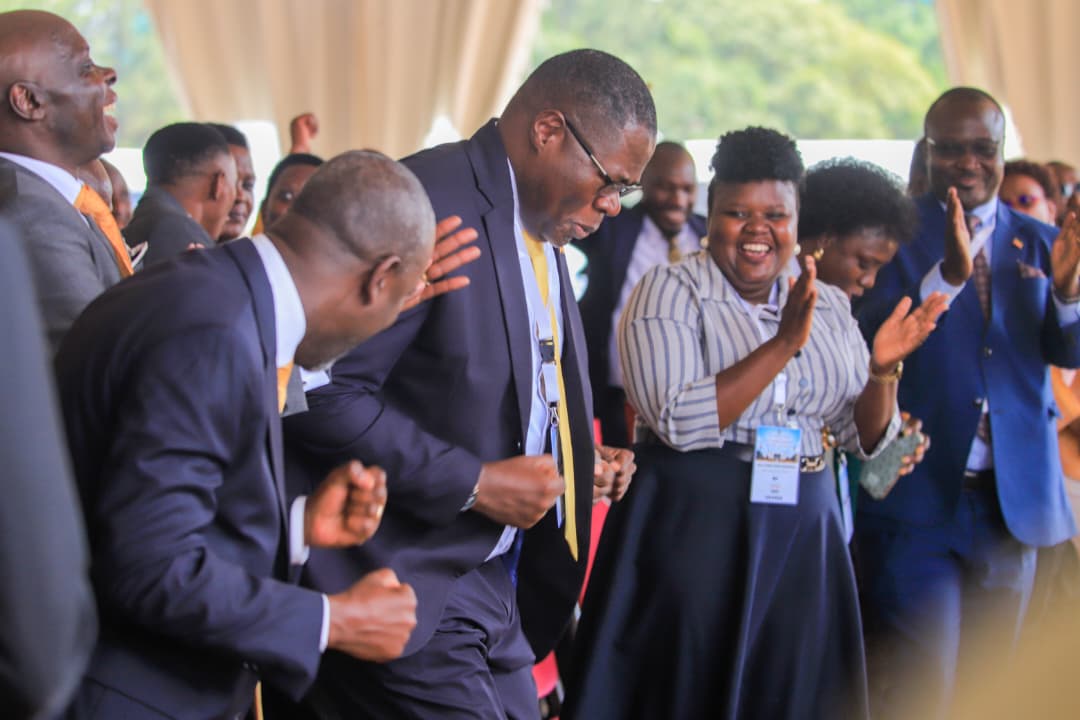
In his maiden acceptance speech at Kololo, Speaker Oboth outlined a clean legislative agenda anchored on absolute accountability, results-based budgeting, and proactive oversight. However, in public policy implementation, institutional credibility cannot be manufactured via rhetoric; it must be built structurally from within. Parliament cannot robustly audit, sanction, or discipline the inefficiencies and corruption of Ministries, Departments, and Agencies (MDAs) when it demonstrates a chronic inability to efficiently execute its own primary capital development project.
By aggressively prioritizing the structural completion of the new parliamentary complex within the next 12 to 24 months, Speaker Oboth can engineer three vital structural victories:
Immediate Fiscal Relief: Halting commercial rental expenditures immediately preserves billions in domestic revenue, signaling a genuine, quantifiable commitment to fiscal discipline that will satisfy both a cynical public and the Executive branch.
Centralized Legislative Efficiency: Housing all 529 legislators and core technical staff within a unified estate eliminates the severe logistical and operational fragmentation that currently impairs committee attendance, legislative consultation, and security coordination.
A Visual Monument of Reform: For an deeply distrustful electorate, a finished, state-of-the-art building stands as undeniable physical proof of a ‘performing’ and transparent legislative leadership. It effectively shifts the national narrative from structural corruption to structural completion.
The Litmus Test Ahead
The Executive arm of government, led by President Yoweri Museveni, alongside tax-paying citizens and international observers, will judge the Oboth-Tayebwa tenure not by the sheer volume of preliminary bills passed in the first hundred days, but by their sheer administrative and fiscal competence. The unfinished building is a physical, concrete manifestation of the legislative legacy Speaker Oboth has inherited. Transforming it into a completed, functional reality will serve as his fastest and most unassailable route to institutional redemption.
 If Speaker Jacob Markson Oboth intends to be remembered as an administrative transformer rather than a transitional, status-quo figure, he must make the completion of the new chambers his singular signature priority. It is time to stop subsidizing private commercial landlords with public resources and finally deliver a unified house structurally worthy of the laws and destiny of Uganda.