
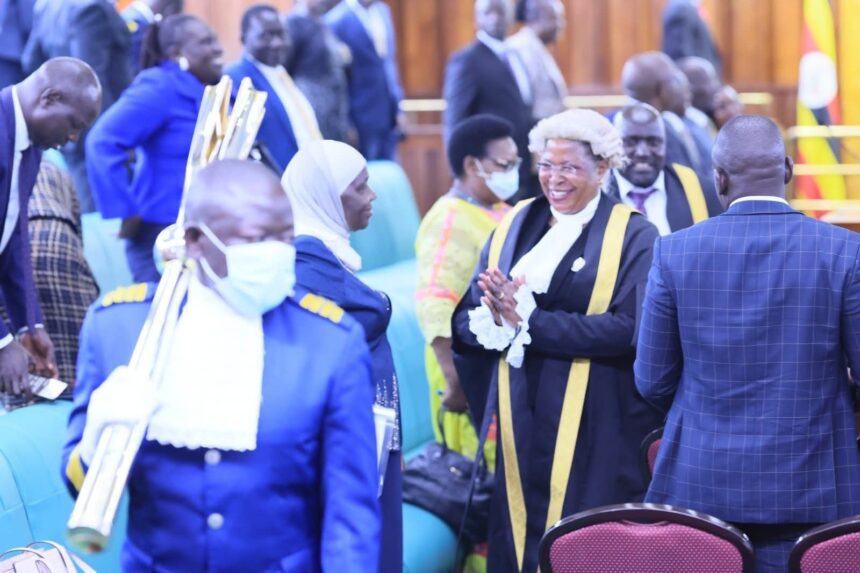
A proposed sovereignty bill has been referred to parliamentary committees for detailed scrutiny, setting the stage for what is expected to be a heated national debate when it returns to the floor for its second reading.
The bill, which has already stirred controversy, is said to contain provisions that could affect the status of Ugandan citizens living abroad, with critics warning it may effectively render some as “foreigners.” This has raised concern among diaspora communities and political stakeholders.
Political observers and stakeholders have called on the Leader of Opposition, Joel Ssenyonyi, to take a more proactive role by convening a special assembly of opposition leaders to critically examine the implications of the bill.
Analysts argue that such a move would allow opposition parties, particularly the National Unity Platform (NUP), to build a unified position before the legislation progresses further. NUP is widely regarded as having strong support among Ugandans in the diaspora, making the issue particularly sensitive for the party.
Concerns have also been raised about the potential legal, economic, and social implications of the bill, especially for Ugandans who live, work, and invest abroad. Critics fear that any changes affecting citizenship or national identity could disrupt remittances and weaken ties between the diaspora and their home country.
Parliamentary committees are now expected to gather public views, consult experts, and present a report that will guide debate during the second reading.
As the process unfolds, pressure is mounting on opposition leaders to ensure that the voices of Ugandans—both at home and abroad—are adequately represented.