
By Bob Kasiita
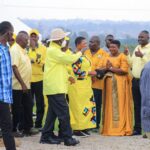
Every election season, supporters of the National Resistance Movement repeat a familiar refrain: “Vote Museveni for peace.” The slogan is meant to summon memories of Uganda’s darkest chapters—the violence of the Idi Amin years, the instability under Milton Obote, and the cycles of coups, bloodshed and economic collapse that defined the 1970s and early 1980s.
For many Ugandans, especially older citizens and committed NRM supporters, President Yoweri Museveni’s capture of power in 1986 marked a turning point. The guns largely fell silent, national institutions were rebuilt, roads and schools expanded, and the economy slowly stabilised. In that sense, Museveni is widely credited with restoring order after years of turmoil.
That history matters. But nearly four decades later, with Museveni now seeking a seventh term at the age of 81, an uncomfortable question arises: does peace still require one man to remain in power indefinitely?
For a growing number of Ugandans—particularly the youth—the answer is increasingly no.
As the January 15 elections draw near, the meaning of “peace” being promoted feels less like freedom and more like control. Amnesty International, in a report released on January 4, described the current campaign period as a “brutal campaign of repression,” citing the use of tear gas, beatings, arbitrary arrests and allegations of torture against opposition supporters.
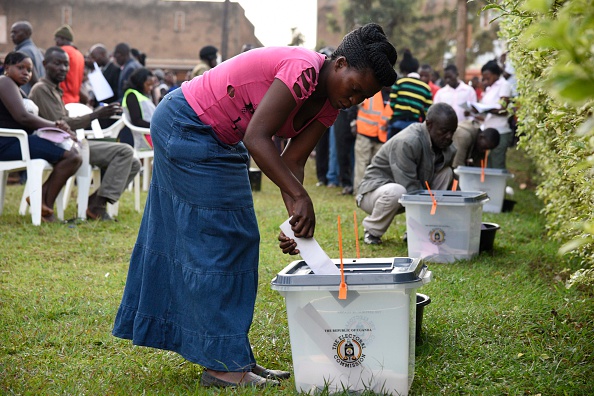
United Nations human rights experts have also warned of a “pervasive climate of fear,” pointing to enforced disappearances, excessive force and severe restrictions on the media and civil society. The atmosphere bears troubling similarities to the violence that followed the 2021 elections.
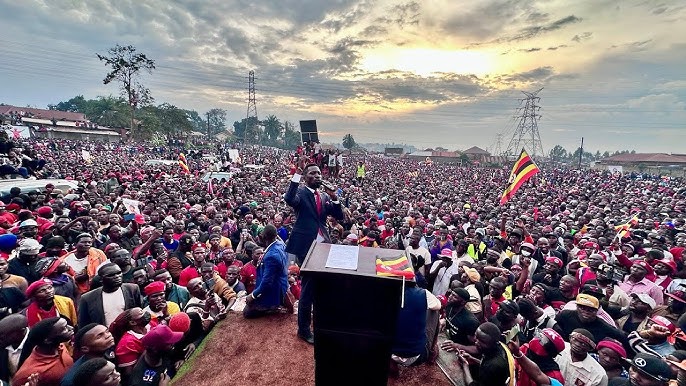
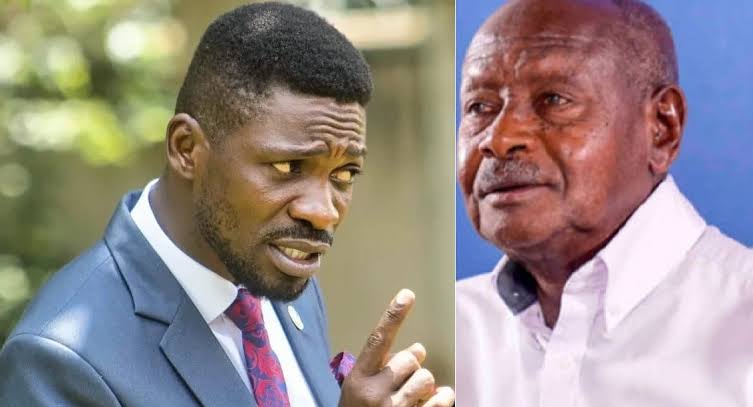
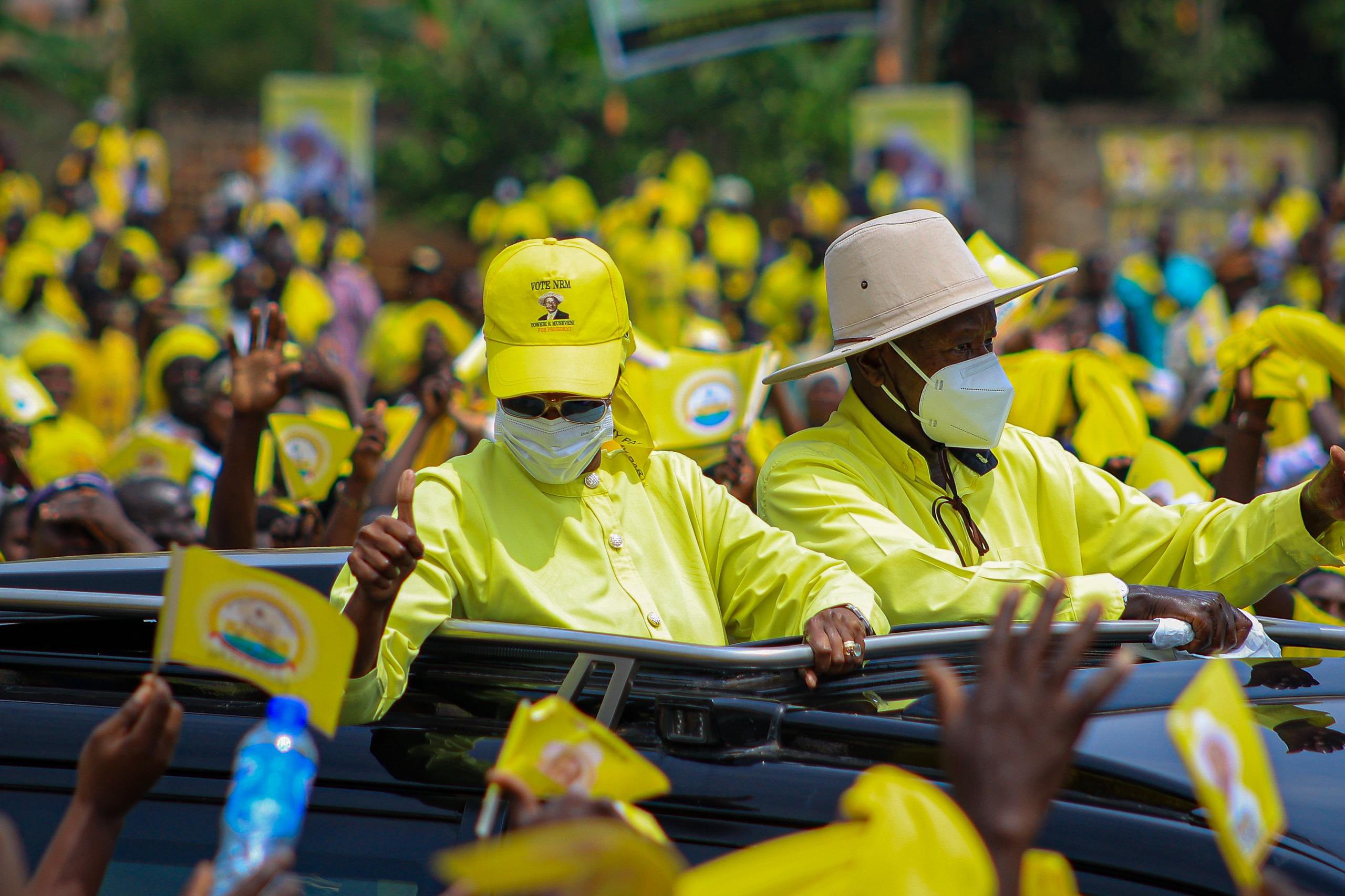
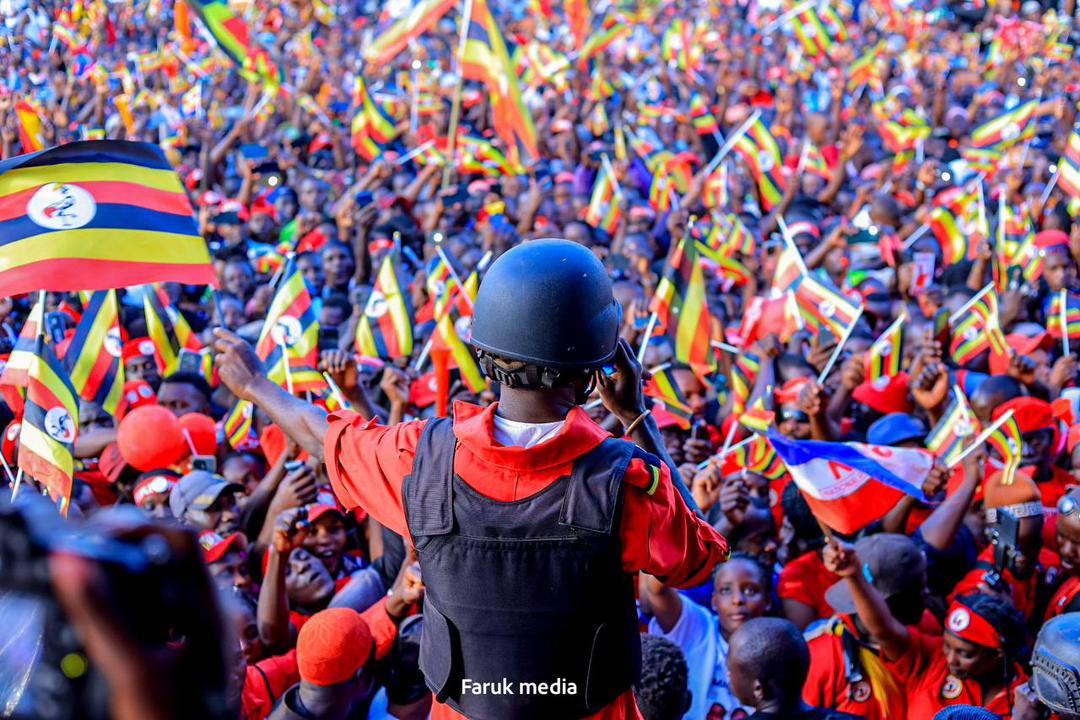
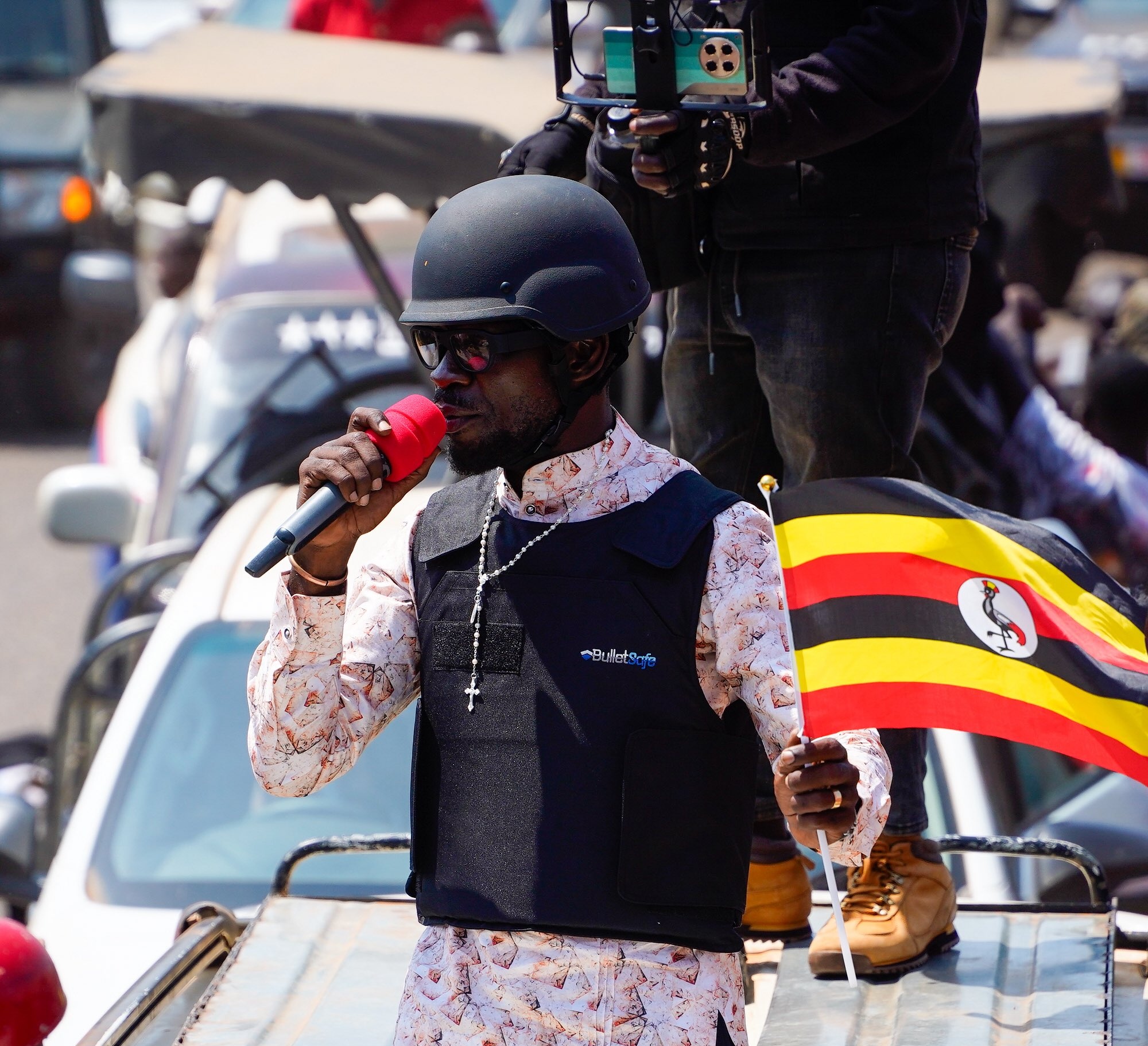
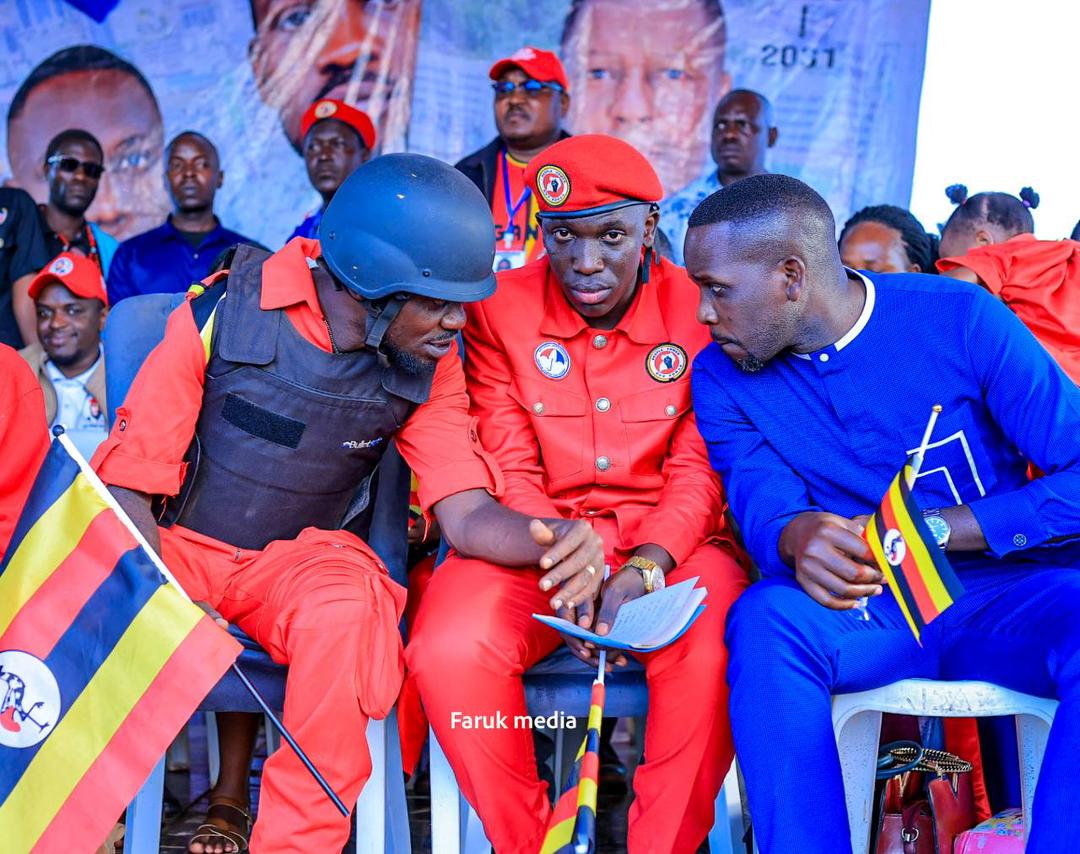
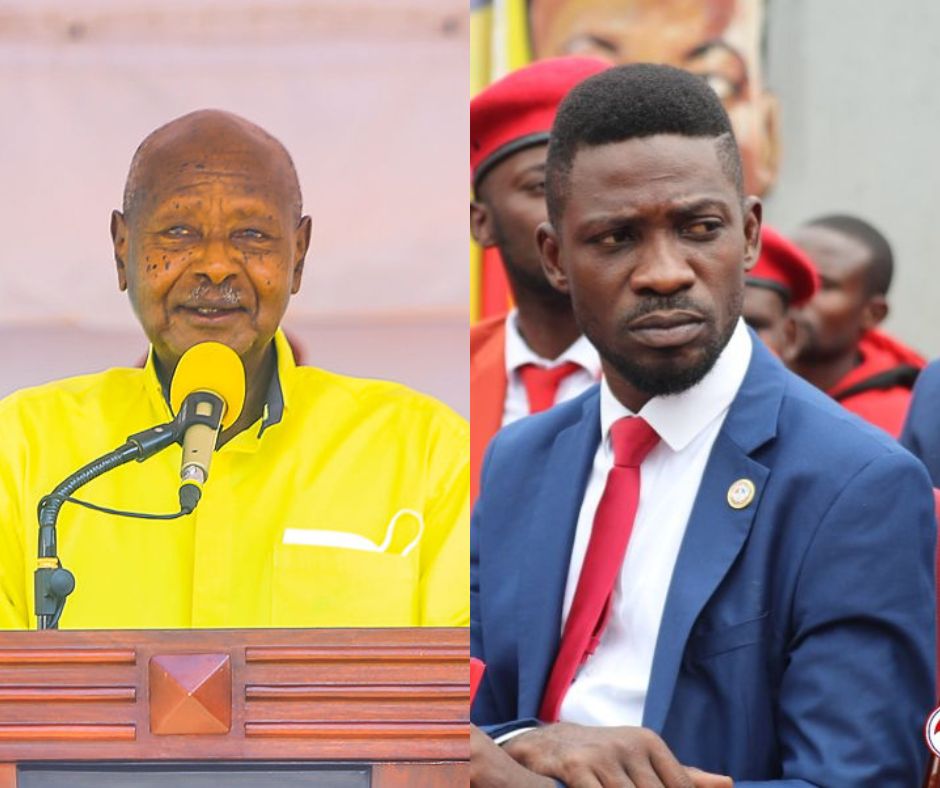
Opposition leader Robert Kyagulanyi, popularly known as Bobi Wine, now campaigns wearing a bulletproof helmet and flak jacket. His rallies are frequently dispersed with tear gas, and he has spoken of supporters being arrested, injured or killed. In contrast, President Museveni’s campaign events proceed smoothly and without disruption.
In his New Year’s Eve address on December 31, 2025, Museveni instructed security forces to deploy more tear gas against what he termed the “criminal opposition,” describing the tactic as legal and non-lethal. That defence of force hardly reflects a leadership confident in peaceful democratic competition.
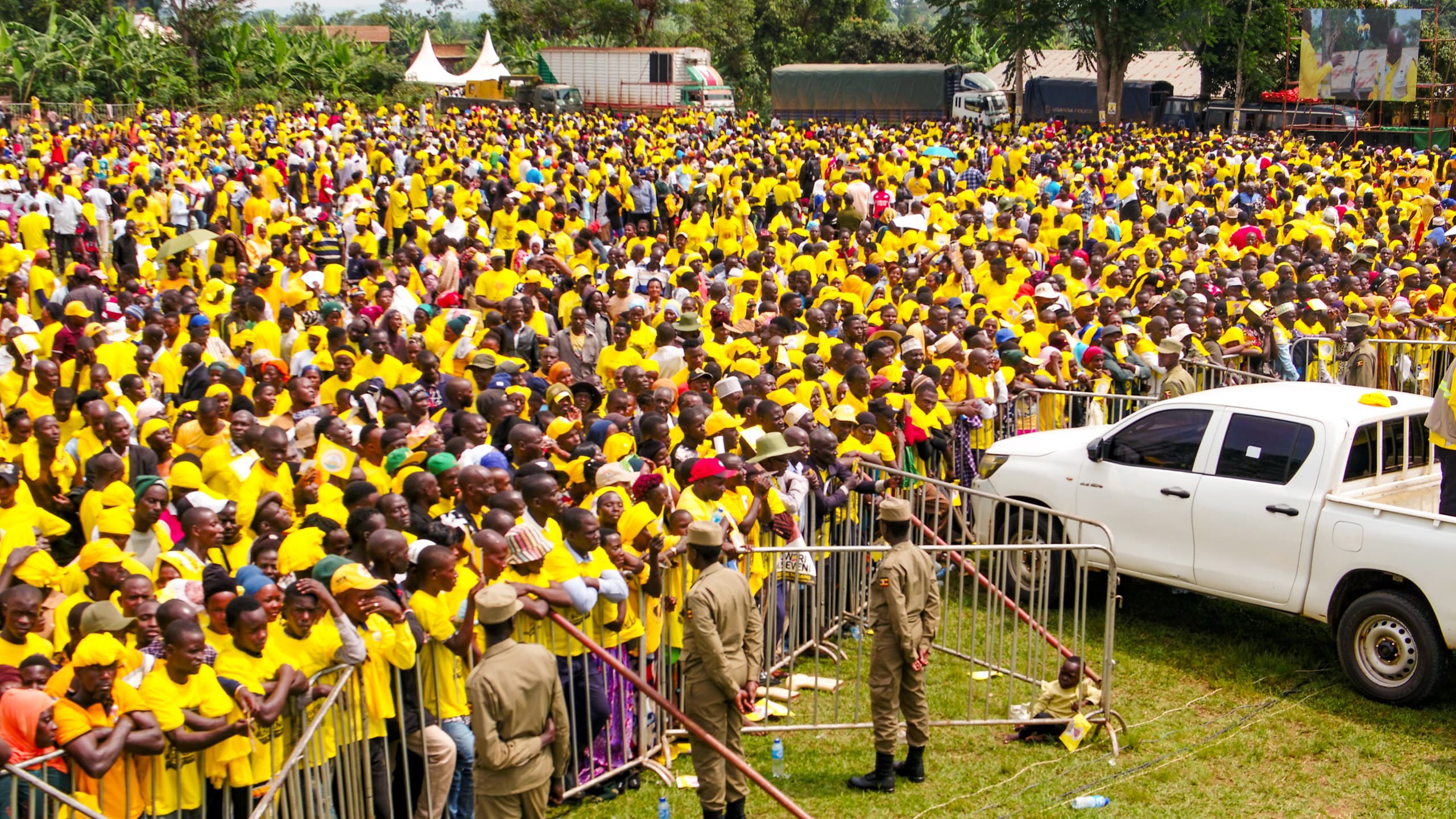
NRM supporters argue that Museveni remains the country’s ultimate guarantor of stability—that the army is loyal to him, that succession is uncertain, and that any change risks plunging Uganda back into chaos. The message is clear: don’t gamble with peace.
Yet this argument increasingly resembles fearmongering. It diverts attention from Uganda’s pressing challenges: rampant youth unemployment, entrenched corruption, rising public debt, deteriorating public services and deepening inequality.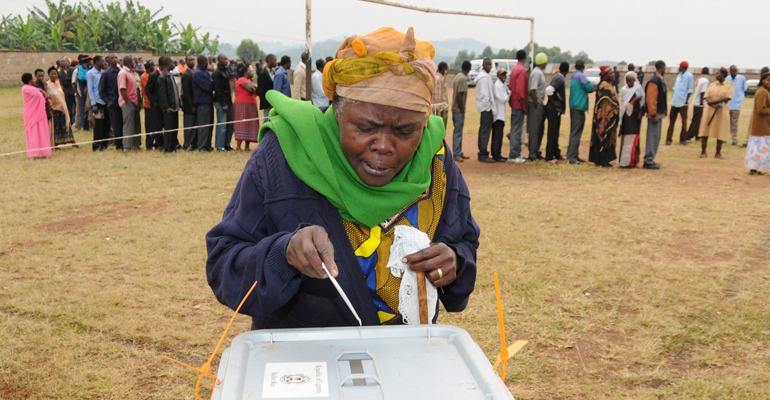
Uganda is one of the youngest countries in the world, with a median age of about 17. Most citizens did not experience the pre-1986 violence firsthand. For them, peace is not simply the absence of war, but the presence of opportunity, accountability and freedom.
Why must peace be permanently tied to one individual? Neighbouring countries such as Kenya have changed presidents multiple times without collapsing. Sustainable peace is built on strong institutions—credible elections, the rule of law and independent oversight—not on the longevity of a single ruler.
Since independence, Uganda has never experienced a peaceful transfer of presidential power. That prolonged grip on authority has steadily narrowed democratic space, turning the claim “only I can keep the peace” into a convenient justification for indefinite rule.
For NRM loyalists, four decades without a nationwide civil war proves the model works. For many others, it feels like peace held hostage—used to block reform, renewal and generational change.
As Ugandans head into a tense election amid economic hardship, the real question is whether this tired narrative still resonates. What the country needs is not enforced calm, but genuine peace—peace rooted in justice, freedom and fairness, not in intimidation and fear.
Uganda does not need a permanent saviour. It needs strong systems that protect peace for all, regardless of who sits in State House.