
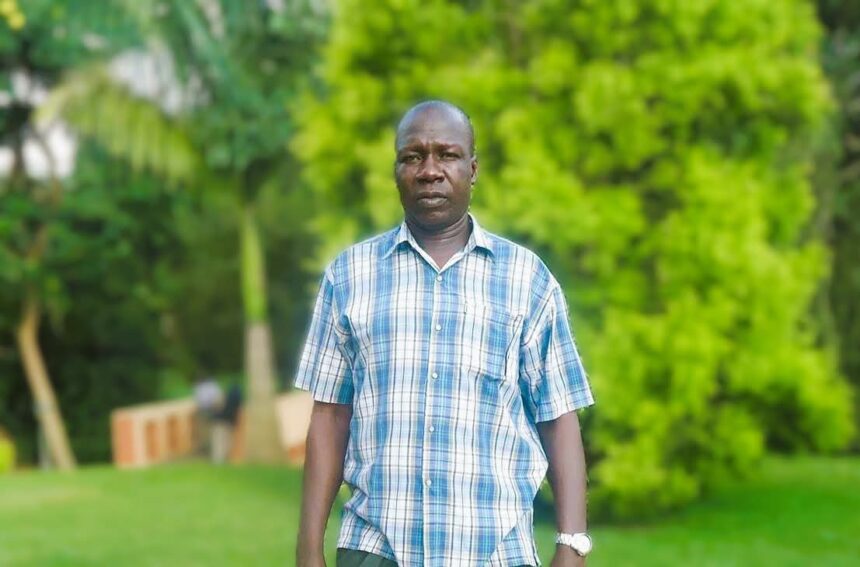
The Principal Commercial Officer for Gulu, Kidega George Nicholas, has criticized attempts to exclude Emyooga loan defaulters from benefiting under the ongoing cattle restocking programme being implemented in the city.
Kidega argued that the cattle restocking initiative and the government’s Emyooga programme are separate interventions with distinct guidelines and beneficiary criteria.
His remarks follow a directive issued on Monday by Peter Banya ordering local leaders in Keyi A Cell, Kasubi Ward, to remove the name of former Bardege Division Speaker, Yoorach Patrick, from the list of beneficiaries under the ongoing cattle compensation and restocking exercise.
Banya reportedly based the directive on allegations that Yoorach had defaulted on a government loan acquired through an Emyooga SACCO.
However, local leaders insist Yoorach qualifies independently under the restocking programme guidelines because he and his mother are recognized as former LRA abductees.
According to Ocaya Johnson, Yoorach’s inclusion followed the criteria outlined by the Office of the Prime Minister for the programme.
Documents reportedly seen by reporters indicate that Yoorach had received loan recovery notices dated October 4 and December 5, 2025, from the leadership of Bardege-Layibi Gulu City Local Leaders Emyooga SACCO under the Kica Ber Emyooga Association.
The guidelines issued by the Office of the Prime Minister in December 2025 identify elderly persons, people living with disabilities, widows, orphans, former LRA abductees, female-headed households, and unemployed or unskilled youth among the priority categories for support under the cattle restocking programme.
Kidega warned against politicizing or misinterpreting programme guidelines, saying such actions risk denying vulnerable groups access to intended government support.
The dispute highlights growing tensions around implementation of government empowerment programmes in northern Uganda, where local leaders and officials continue to grapple with questions of eligibility, accountability, and overlap between different poverty alleviation initiatives.
The cattle restocking programme is part of broader post-conflict recovery efforts aimed at rebuilding livelihoods among communities affected by decades of insurgency in northern Uganda.