
Security agencies have arrested four suspects linked to a cyber fraud scheme in which criminals impersonated Mrs. Natasha Museveni Karugire to defraud unsuspecting members of the public through social media platforms.
According to a statement issued by police spokesperson ACP Michael Kituuma, the suspects created multiple fake TikTok and WhatsApp accounts using Mrs. Karugire’s photographs and identity, deliberately targeting her followers, particularly individuals seeking financial assistance.
Investigators say the suspects closely monitored her genuine social media accounts, tracking followers who publicly commented or privately reached out requesting help.
Using this information, the fraudsters registered several telephone lines and messaging accounts, placing Mrs. Karugire’s image as profile photos to appear authentic. They then contacted victims while posing as her, promising financial support or assistance. Before any help could be given, however, the victims were instructed to pay so-called “registration fees” or “processing charges,” with the amounts varying depending on the type of assistance requested. Victims were directed to deposit or send money to telephone numbers allegedly controlled by the suspects.
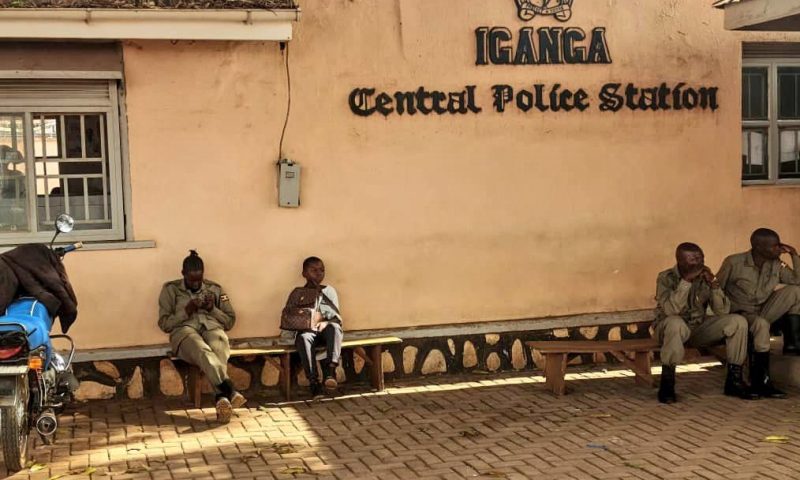
Police say several people fell prey to the scheme, losing varying sums of money before realizing they had been defrauded. Acting on intelligence, security agencies carried out an operation in Iganga Municipality, leading to the arrest of four suspects identified as Isabirye Ashiraf, Mulondo Rahman, Kakaire Zubair, and Egesa Sharif. During the arrests, officers recovered multiple mobile phones and numerous SIM cards believed to have been used in the commission of the cyber crimes.
The suspects are currently in custody and are expected to be arraigned before court to face charges related to cyber fraud, impersonation, and obtaining money by false pretences. Police have reiterated their warning to the public against sending money to individuals online who demand registration fees, processing charges, or advance payments in exchange for financial assistance, jobs, visas, scholarships, or similar opportunities.
Authorities emphasized that genuine service providers and reputable individuals do not demand upfront payments through social media, urging the public to remain vigilant and report suspicious online activity as investigations continue.