
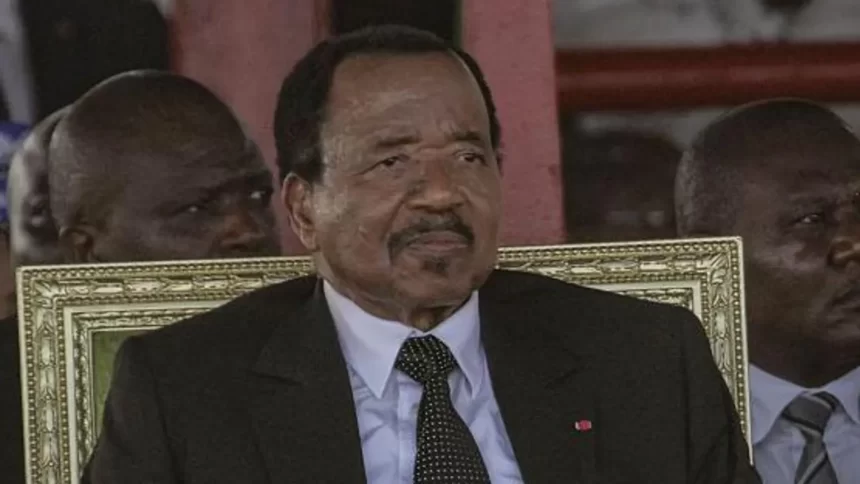
Cameroon is set to introduce the position of vice-president for the first time in over five decades, following constitutional amendments backed by parliament under President Paul Biya.
The move marks a significant shift in the country’s leadership structure, especially given Biya’s age of 93 and his more than 40 years in power. Under the new changes, the vice-president—who will be appointed by the president—will automatically assume office and complete the presidential term in the event of death or incapacity.
Previously, the constitution designated the Senate leader as interim president, but only temporarily until fresh elections were organized.
The amendments were passed during a joint sitting of parliament, with an overwhelming majority of lawmakers voting in favor. Supporters argue the reform will improve government efficiency and ensure continuity in leadership without disrupting governance.
However, the changes have sparked strong criticism from opposition figures. The Social Democratic Front boycotted the vote, arguing that the process lacked broad consultation and should have allowed citizens to elect a running mate alongside the president.
Opposition leader Joshua Osih described the reform as a missed opportunity for meaningful political progress, while Maurice Kamto labeled it a “constitutional and institutional coup,” accusing the ruling establishment of consolidating power.
Historically, Cameroon had a vice-president between 1961 and 1972 under a federal system that balanced the country’s English- and French-speaking regions. The position was abolished after the country transitioned to a unitary state in 1972.
Despite the reintroduction of the role, uncertainty remains over the country’s political future, with growing public interest in who will be appointed as vice-president and what it means for succession in one of Africa’s longest-running presidencies.