

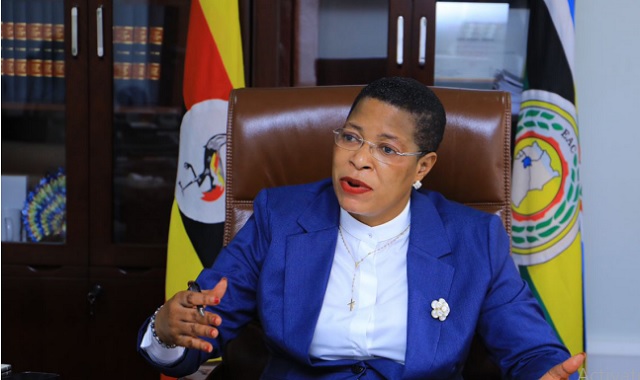
A sweeping corruption and money laundering investigation targeting Anita Annet Among is rapidly evolving into one of the most consequential institutional crises in Uganda’s recent political history, exposing deep governance vulnerabilities within the country’s legislative system and triggering renewed debate about accountability at the highest levels of power.
What initially surfaced through public criticism over lavish spending and allegations of influence peddling has now escalated into a multi-agency criminal probe involving the Criminal Investigations Directorate, the Financial Intelligence Authority and specialized anti-corruption units.
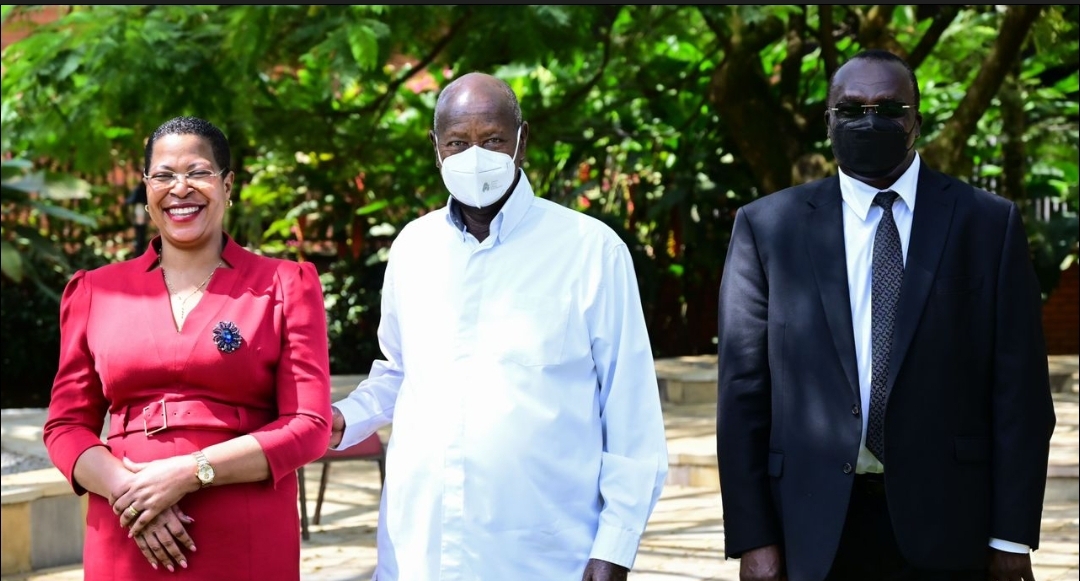
Security raids reportedly conducted at residences linked to Among and several individuals within her political network, coupled with scrutiny of high-value assets and financial transactions, have transformed the matter from a political controversy into what analysts describe as a defining test for Uganda’s anti-corruption institutions.
A Crisis Beyond One Individual
At the center of the unfolding scandal lies a broader concern about the concentration of financial and administrative power within Parliament during the 11th Parliament.
Investigators are reportedly focusing on allegations of illicit enrichment, abuse of office, procurement irregularities, suspicious financial transfers and the use of parliamentary influence networks that allegedly extended far beyond legislative work.
Under Uganda’s anti-corruption framework, illicit enrichment cases carry a unique legal dimension. Once investigators establish a substantial gap between a public official’s known lawful income and their visible wealth, the burden may shift to the accused to explain the legitimate source of their assets.
This legal principle now places enormous pressure on individuals linked to the investigations, particularly given the scale of wealth allegedly under scrutiny, including luxury properties, expensive vehicle fleets and complex financial movements.
However, governance experts argue that the larger issue is institutional failure.
“How did oversight systems fail to detect warning signs early enough?” has become one of the central questions emerging from the scandal.
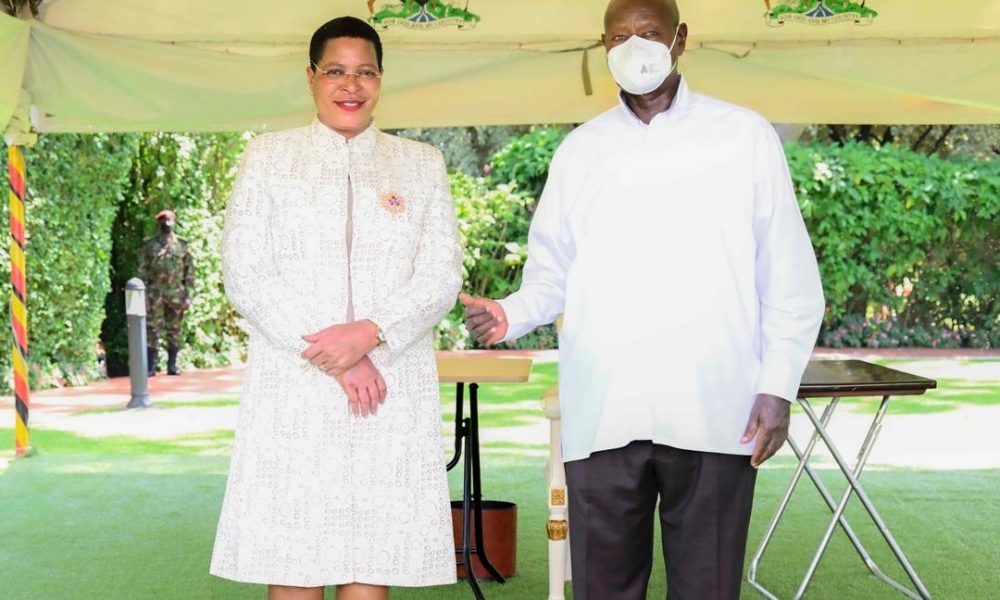
Parliament Under the Spotlight
The investigations have also revived long-standing criticism about the operational structure of the Parliamentary Commission and the degree of financial discretion historically exercised within Parliament.
Critics argue that while parliamentary independence is essential for democracy, excessive insulation from mainstream public finance controls may have created loopholes vulnerable to abuse.
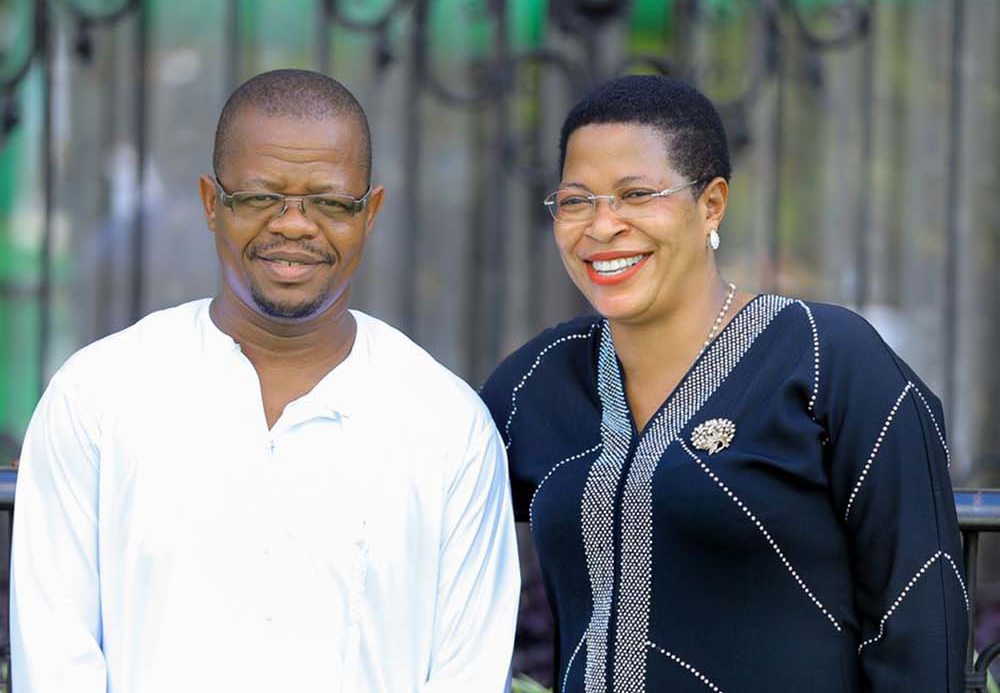
The alleged involvement of politically connected legislators, parliamentary staff, mobilization agents and external actors suggests investigators may be examining not only individual conduct, but also the existence of an organized patronage structure that operated within and around Parliament.
Political observers say the scandal has already reshaped the balance of power within the emerging 12th Parliament.
Among’s withdrawal from the Speakership race, coupled with the collapse of support from influential political factions such as the Patriotic League of Uganda, signaled what many analysts interpret as the rapid disintegration of a once-powerful political network.
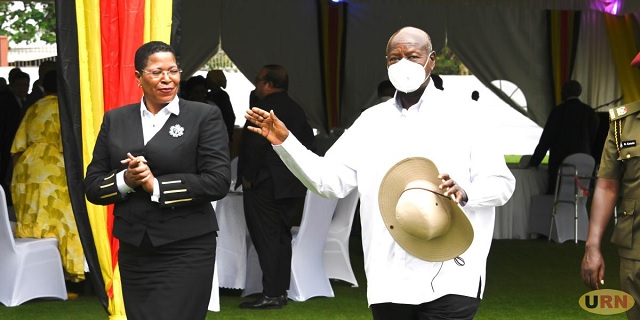
Museveni’s Anti-Corruption Messaging Faces Its Biggest Test
The crisis also places renewed attention on Yoweri Kaguta Museveni and his government’s long-standing anti-corruption rhetoric.
Museveni has repeatedly declared that the new term of government will operate under a strict no-corruption posture, but critics say Uganda’s anti-graft campaigns have often faced accusations of selective enforcement.
The handling of the Among investigation is therefore being closely watched as a possible indicator of whether authorities are prepared to pursue accountability consistently, regardless of political status or influence.

Calls for Structural Reform
Governance and public administration experts are now calling for deeper institutional reforms beyond individual prosecutions.
Among the proposals gaining traction are:
Independent forensic audits of Parliamentary Commission expenditures.
Stronger enforcement of asset declaration systems under the Leadership Code framework.
Automated cross-checking of wealth declarations against land registries, tax records and banking data.
Reduced concentration of financial authority within parliamentary political leadership.
Stronger integration of Parliament into mainstream public finance accountability systems.
Analysts warn that unless structural reforms accompany criminal investigations, the underlying governance weaknesses that enabled the alleged abuses could persist.
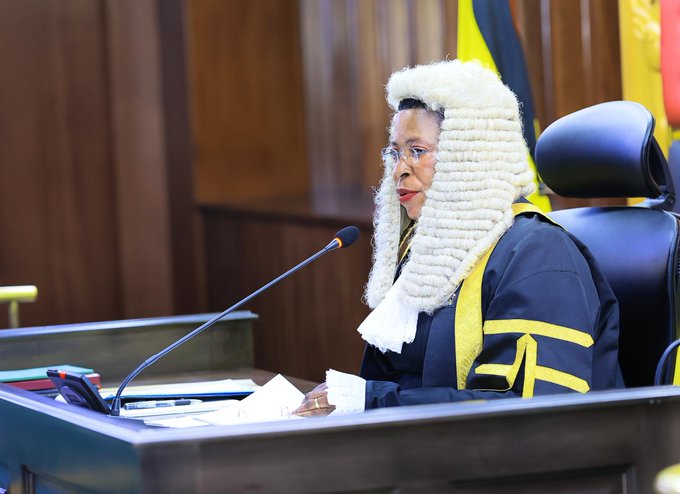
A Defining Moment for Uganda’s Institutions
The unfolding scandal represents more than the fall of a powerful political figure. It has become a broader referendum on institutional accountability, legislative governance and the credibility of Uganda’s anti-corruption architecture.
For many Ugandans, the case now stands as a rare moment where the state appears willing to confront powerful political actors previously seen as untouchable.
Whether the investigations ultimately lead to convictions, systemic reform, or political realignment, the crisis has already left a lasting mark on Uganda’s political landscape.
The central question now is not only whether individuals will be held accountable, but whether the institutions themselves will emerge stronger or further weakened by the reckoning unfolding around the 11th Parliament.