
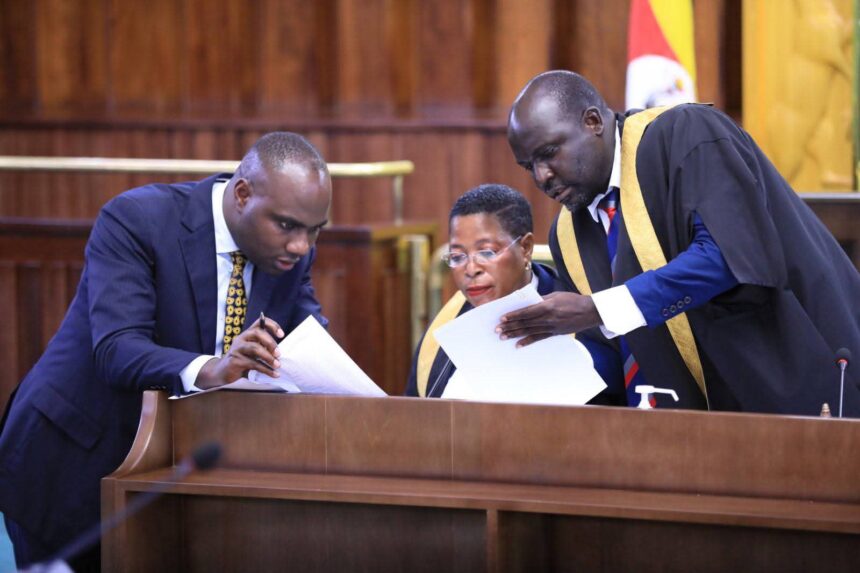
The Parliament of Uganda has approved a record Shs84.391 trillion national budget for the 2026/27 financial year, signaling the country’s most ambitious spending plan yet but also highlighting growing pressure from debt and security costs.
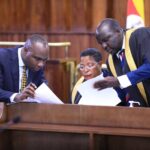
Chaired by Speaker Anita Annet Among, the budget is anchored in the Fourth National Development Plan (NDP IV) and the ruling National Resistance Movement (NRM) manifesto, with the goal of transforming Uganda into a $500 billion economy by 2040.
A major feature of the budget is strong funding for security. The Ministry of Defence and Veteran Affairs takes the largest share at Shs2.976 trillion, followed by the Uganda Police Force and the Uganda Prisons Service, reflecting government emphasis on stability and internal security.
Infrastructure development also remains a priority, with the Ministry of Works and Transport receiving over Shs1 trillion to support roads and connectivity projects.
Key institutions benefiting from the budget include National Medical Stores, the Uganda Revenue Authority, and Makerere University, alongside increased funding for science, technology, and innovation programs, as well as the Kampala Capital City Authority.
However, nearly Shs33.6 trillion—about 40 percent of the total budget—will go toward debt servicing, raising concerns about limited fiscal space for development.
To finance the budget, government plans to rely on domestic revenue, alongside both domestic and external borrowing, underlining continued dependence on loans.
While Finance State Minister Henry Musasizi defended the budget as necessary for economic transformation, opposition voices including Joel Ssenyonyi and Ibrahim Ssemujju Nganda raised concerns over transparency, job creation, and the impact of rising debt.
Overall, the budget reflects Uganda’s push for growth through infrastructure and institutional investment, but also exposes the challenge of balancing development ambitions with increasing financial obligations.