
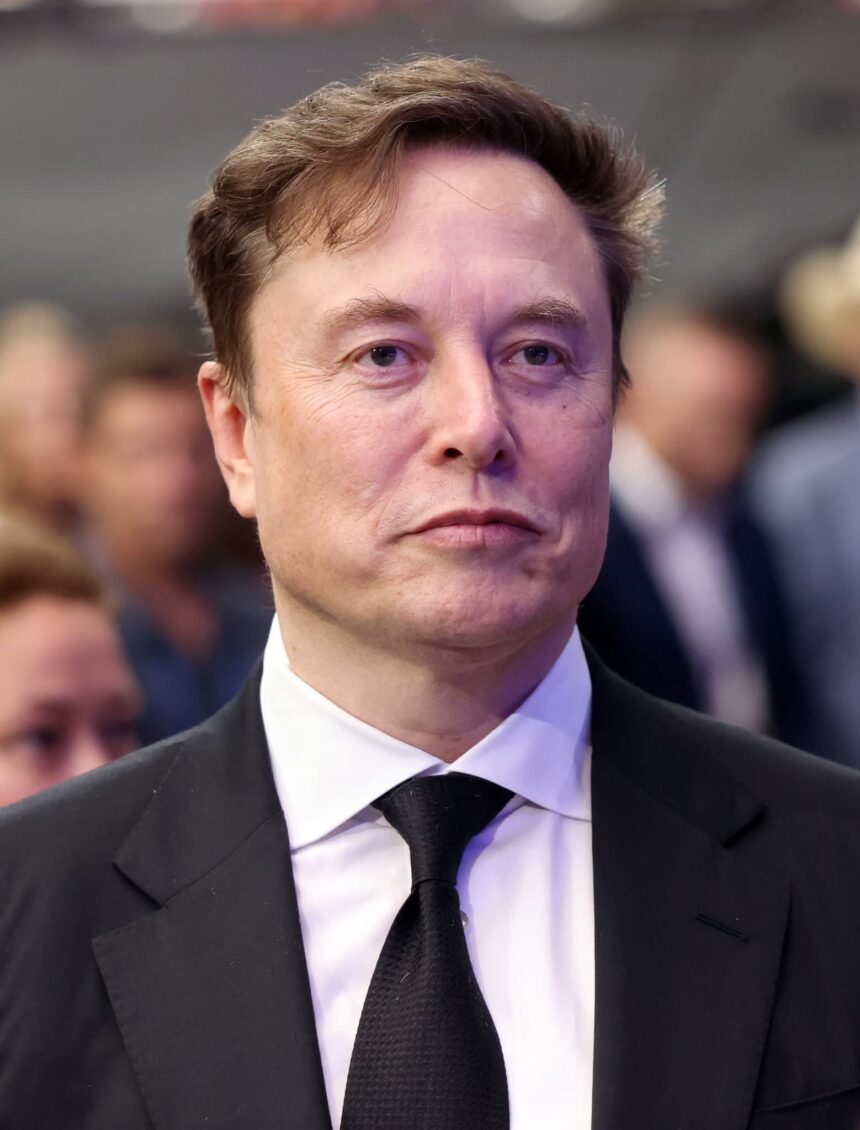
Born on June 28, 1971, in Pretoria, South Africa, Elon Musk has risen from a book-obsessed child with a fascination for science fiction to one of the most influential and controversial technology entrepreneurs of the 21st century. As the driving force behind Tesla, SpaceX, xAI, Neuralink, and The Boring Company, Musk has reshaped conversations around electric vehicles, space travel, artificial intelligence, and the future of humanity itself.
Musk’s journey into technology began early. At just 12 years old, he taught himself computer programming and developed a simple space-themed video game called Blastar, which he sold for about $500. Even as a child, those close to him recall an intense curiosity and a relentless appetite for reading. His mother, Maye Musk, has said he devoured books across genres, including science fiction and reference materials such as encyclopedias, often reading for hours each day.
In 1995, Musk enrolled in a PhD program in physics at Stanford University. But the timing coincided with the rapid expansion of the internet. After just two days, he left the program to pursue opportunities in the tech boom. That decision marked the beginning of his entrepreneurial career. He co-founded Zip2, an online city guide software company, which was later sold for hundreds of millions of dollars. He then went on to co-found X.com, an online payment company that eventually became PayPal.
Musk’s ambitions soon extended far beyond software. In 2002, he founded SpaceX with the goal of reducing space transportation costs and making life multiplanetary. The company has since achieved milestones once thought possible only for governments, including reusable rockets and crewed missions to the International Space Station. SpaceX remains central to Musk’s long-term vision of establishing a human settlement on Mars.
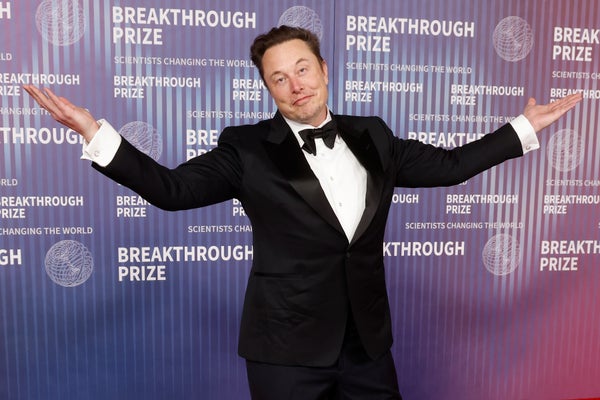
At Tesla, where he serves as CEO, Musk has pushed electric vehicles from niche products into the mainstream automotive market. Under his leadership, Tesla became one of the world’s most valuable car manufacturers, accelerating the global shift toward sustainable energy. The company also expanded into battery storage and solar energy solutions, reinforcing Musk’s focus on clean energy innovation.
Beyond Tesla and SpaceX, Musk has launched several other ventures. Neuralink is working on brain-computer interface technology aimed at treating neurological conditions and potentially merging human cognition with artificial intelligence. The Boring Company focuses on underground tunnel transportation systems designed to reduce urban congestion. In 2022, The Boring Company even made headlines with the launch of a novelty fragrance called “Burnt Hair,” which reportedly sold out quickly after release.
Musk’s fascination with bold ideas extends into popular culture. He has made cameo appearances in films and television shows such as Iron Man 2, The Simpsons, The Big Bang Theory, and Rick and Morty. His real-life persona has often been compared to fictional tech geniuses, further cementing his celebrity status.
In 2021, while hosting Saturday Night Live, Musk publicly stated that he has Asperger’s syndrome, describing how it influenced his social interactions and communication style. The disclosure sparked global conversation about neurodiversity in leadership and innovation.
His personal life has also drawn public attention. Musk has at least 11 children, including a son whose name, X Æ A-XII (later adjusted for legal reasons), became a subject of widespread curiosity and debate. His first wife, author Justine Musk, has written candidly about their marriage, including recalling a moment during their wedding reception when Musk reportedly said, “I am the alpha in this relationship.”
Musk is known for applying what he calls “first principles thinking” — a method of breaking down complex problems into their most basic truths and reasoning upward from there. He credits this approach with helping him rethink the cost of rockets, batteries, and manufacturing processes in ways that disrupted established industries.
From purchasing the Lotus Esprit submarine car featured in a James Bond film — with hopes of making it functional — to pursuing Mars colonization, Musk’s career has been defined by audacious goals and unconventional moves. Admired by supporters as a visionary innovator and criticized by detractors for his management style and public statements, he remains one of the most closely watched figures in global business.
More than three decades after leaving Stanford to chase the internet boom, Elon Musk stands as a symbol of both the promise and unpredictability of modern technological ambition — a man whose ideas continue to influence how the world imagines its future.