
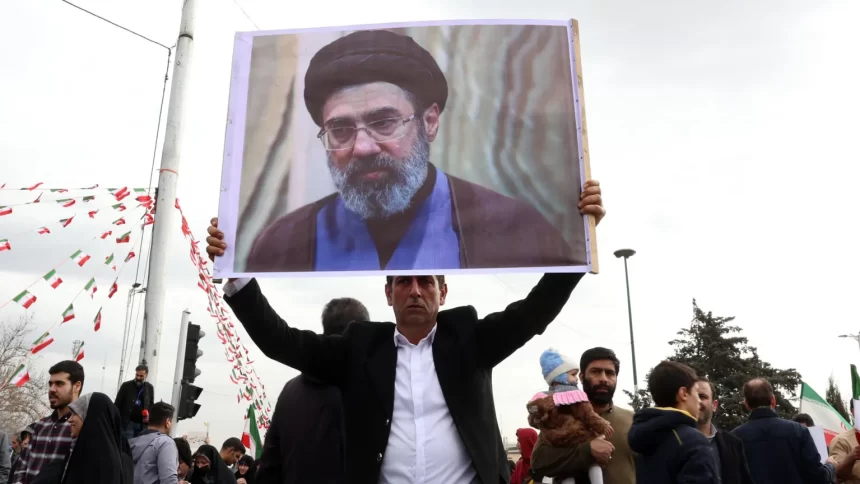
Mojtaba Khamenei has suddenly moved from the shadows of Iranian politics to the center of global attention after being chosen as the new supreme leader following the death of his father, Ali Khamenei.
For decades, Mojtaba remained one of the most mysterious figures within the Islamic Republic of Iran. Unlike many influential Iranian leaders, he avoided public appearances, never held a formal government position, and rarely spoke in public. Despite this low profile, political observers long believed he wielded quiet influence behind the scenes within Iran’s ruling establishment.
Early Life and Background
Mojtaba Khamenei was born on 8 September 1969 in Mashhad, a major religious center in Iran. He is the second of six children born to Ali Khamenei, who later became Iran’s supreme leader.
He attended the Alavi School in Tehran, an institution known for its strong religious orientation. At the age of 17, he reportedly served in the military during the Iran-Iraq War, a conflict that shaped Iran’s political and military outlook for decades.
Religious Education
In 1999, Mojtaba moved to Qom, where he pursued advanced Islamic studies in the country’s most important religious seminaries. Unlike many clerics who begin seminary training earlier in life, Mojtaba entered the religious education system relatively late, around the age of 30.
Today, he is considered a mid-ranking cleric, though some Iranian media outlets and religious figures have recently begun referring to him as Ayatollah, a higher clerical title that carries greater religious authority.
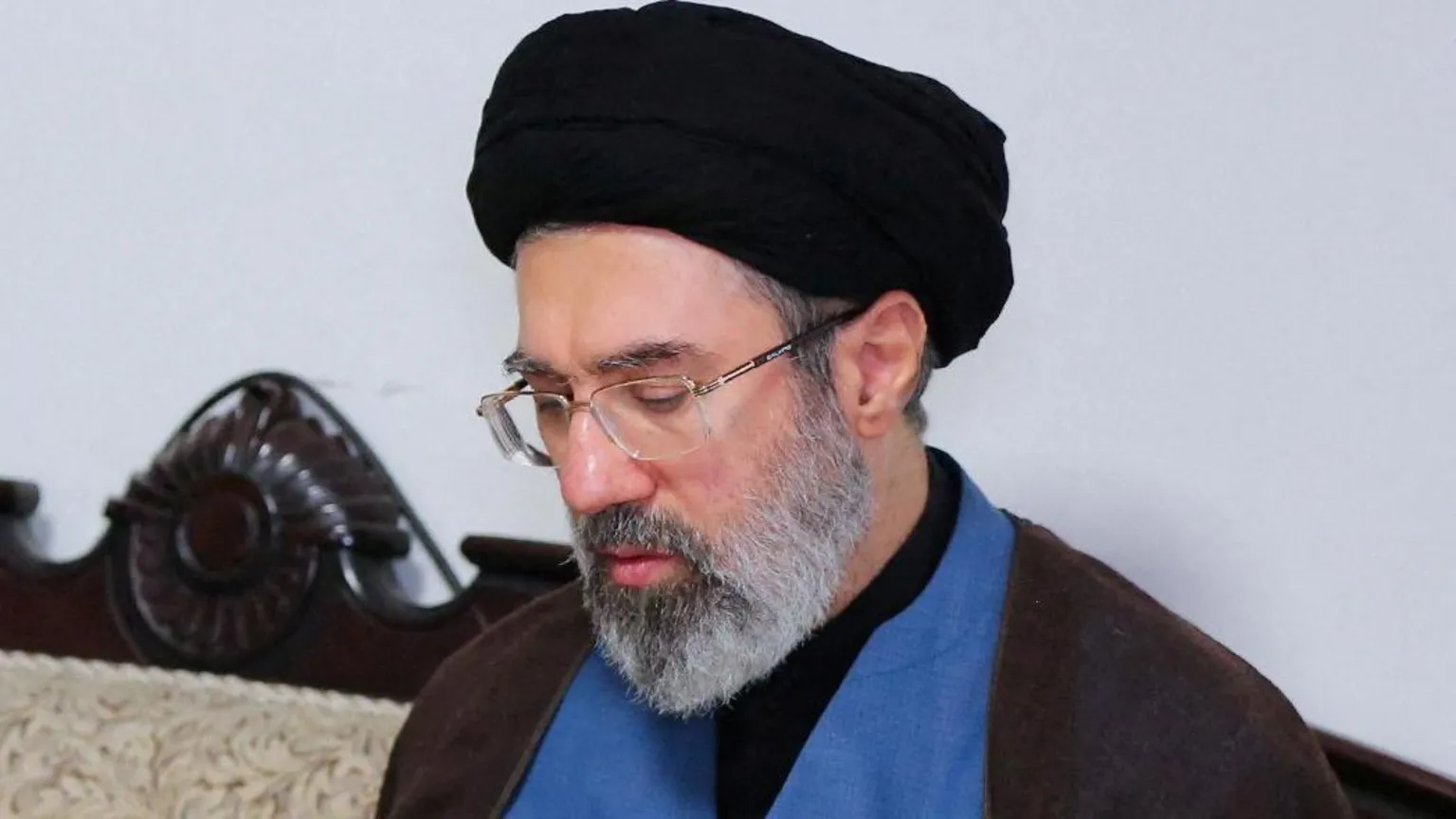
Influence Behind the Scenes
Although rarely seen publicly, Mojtaba’s name has frequently surfaced in discussions about internal Iranian politics. Diplomatic cables from the United States Department of State, later published by WikiLeaks, described him as a powerful figure within the regime, sometimes referred to as “the power behind the robes.”
His influence was first widely discussed during the 2005 Iranian presidential election, when reformist politician Mehdi Karroubi accused him of interfering in the electoral process through members of the Islamic Revolutionary Guard Corps and the Basij militia.
Similar allegations resurfaced during the disputed 2009 Iranian presidential election, which triggered mass demonstrations known as the Green Movement.
A Controversial Succession
Mojtaba’s rise to the top leadership position could prove controversial for Iran’s political system. The Islamic Republic was established after the Iranian Revolution, which aimed to replace hereditary monarchy with leadership based on religious scholarship and political capability.
The country’s supreme leader is traditionally selected by the Assembly of Experts, and critics argue that choosing the son of the previous leader could give the impression of a dynastic transition.
Challenges Ahead
Now at the helm of one of the most powerful political and religious positions in the Middle East, Mojtaba faces enormous challenges. Iran is dealing with economic difficulties, political tensions at home, and growing geopolitical pressure abroad.
His leadership style remains largely unknown, and many analysts say he must now prove that he can move beyond his image as a behind-the-scenes figure and demonstrate the authority required to guide the Islamic Republic through a difficult period.
Whether Mojtaba Khamenei will consolidate power smoothly or face internal resistance remains uncertain, but his rise marks a significant new chapter in Iran’s political history.