
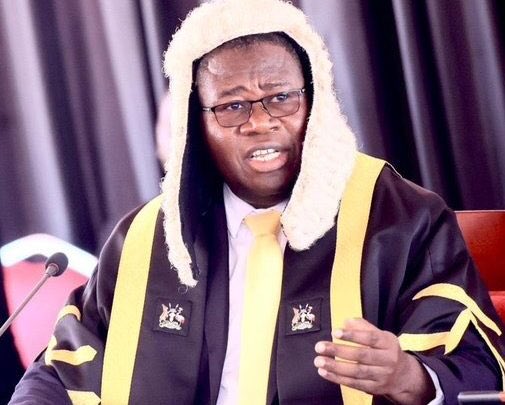
Speaker of Parliament Jacob Oboth-Oboth has cut the budget allocated to the Office of the Speaker from more than Shs24 billion to Shs3.9 billion, redirecting the balance to parliamentary committees in a move aimed at strengthening legislative oversight and reducing the risk of corruption.
Speaking during celebrations marking the reappointment of Prime Minister Robinah Nabbanja, Oboth-Oboth said Parliament must be empowered to effectively perform its constitutional mandate without relying on the institutions it is supposed to supervise.
“I’ve gotten back my office. It will have Shs3.9 billion from the Shs24 billion. When you come to me, I will tell you the money has gone to the committees,” the Speaker said.
He explained that the funds will be used to facilitate committee work, including investigations, field visits, public hearings, and oversight activities, which he described as the backbone of Parliament’s accountability role.
According to Oboth-Oboth, the move is part of a broader effort to restore Parliament to its intended purpose and strengthen its independence from the Executive and government agencies.
“The Chief Donor of Government remains the President of Uganda. If you need help, go to State House. We are resetting Parliament back to the factory default — what Parliament was intended to be,” he remarked.
The Speaker said every parliamentary committee will now be required to prepare a costed work plan before receiving funding, ensuring resources are tied directly to oversight responsibilities.
He warned that inadequate funding for committees has in the past left legislators vulnerable to influence from ministries, departments, and agencies appearing before them for scrutiny.
“We want to insulate Parliament from being vulnerable to ministries, departments and agencies,” Oboth-Oboth said.
“There is nothing more demeaning than asking for small money from those you are supposed to supervise. These agencies come before you having stolen money, then they give you one or two million shillings and you become compromised.”
The Speaker argued that properly funding committees would enhance accountability and improve Parliament’s ability to investigate government expenditure and service delivery across the country.
Political analysts say the decision represents one of the most significant institutional reforms introduced since the inauguration of the 12th Parliament and could strengthen the legislature’s oversight role if effectively implemented.
The move has already sparked debate among lawmakers and governance observers, with many viewing it as an attempt to reinforce Parliament’s independence and credibility in holding public institutions accountable.
If successfully executed, the reallocation of funds is expected to increase committee activity and improve scrutiny of government programs, budgets, and public expenditure, key functions at the heart of parliamentary oversight.